


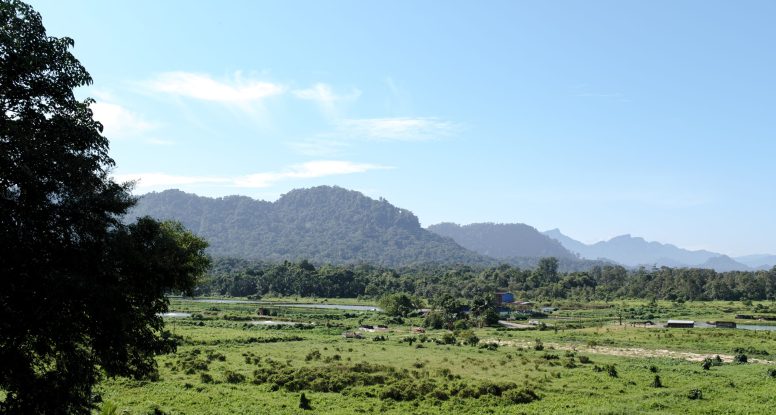
Future+ Kuching Review | Weaving Wisdom in Borneo
Please scroll down for Chinese version.
The article was reposted from WildBound.

From October 17th to 21st, 2024, WildBound, in partnership with Architecture 2030 and local collaborator Borneo Lab, hosted the Future+ Kuching Workshop in the heart of Borneo. Building on the foundations laid in the first gathering in Sichuan’s Tieniu Village and Luding, this workshop continued the regenerative exploration by sparking deep, transformative discussions within Kuching’s vibrant community and rich cultural landscape.

Seven Principles of Regenerative Design: Shifting to a Living System mindset

- Focus on the integrity of living systems rather than breaking them into fragments.
- Respect the wholeness of systems to transform how we engage with them.
- While a building itself cannot regenerate, it can create opportunities for the regeneration of the broader living systems it interacts with (e.g., soil, habitat, people).
2. Recognise Nested Systems
- Understand that all living systems are composed of smaller systems and are part of larger ones.
- Living entities rely on reciprocal relationships within their nested contexts to thrive, as seen in interconnected ecosystems.
- Human actions, when thoughtfully designed, can create benefits that ripple across multiple levels, from individuals to larger systems.
3. Begin with Essence
- Respect the unique and essential qualities of every person, place, or community.
- Avoid generic solutions by understanding and honoring the individuality of living entities and systems.
- Focusing on essence helps simplify complex systems, enabling better decisions and actions.
4. Start from Potential, Not Just Problems
- Prioritize what a system could become rather than merely addressing its current issues.
- Draw inspiration from inherent potential anchored in the uniqueness of systems, fostering hope and innovation.
- Good solutions align with larger patterns, solving multiple problems without creating new ones.
5. Develop a Field of Reciprocity
- Build mutual benefit in relationships instead of transactional, extractive exchanges.
- Learn from nature’s symbiotic systems, where mutual support fosters vitality and longevity.
- A shared purpose among a few individuals can catalyze significant shifts in community dynamics.
6. Discover Nodal Interventions
- Identify key leverage points within systems where small actions yield transformative effects.
- For example, Curitiba’s “urban acupuncture” used simple interventions to address waste management, transportation, and food access, benefiting the whole system.
- Targeting nodes can create widespread positive ripple effects.
7. Engage in Developmental Processes
- Regenerative development enhances the capacities of all members of a system, both human and non-human.
- Projects should nurture inherent potential, enabling communities to adapt to changing conditions.
- Long-term capability building creates distributed wealth and allows systems to achieve their best outcomes.
※These principles are drawn from the work of Bill Reed and Ben Haggard of Regenesis Group, as outlined in their chapter ‘Engaging with Life: The Developmental Practice of Regenerative Development and Design’ (2019).
#1
Weaving Wisdom in Borneo’s Soil
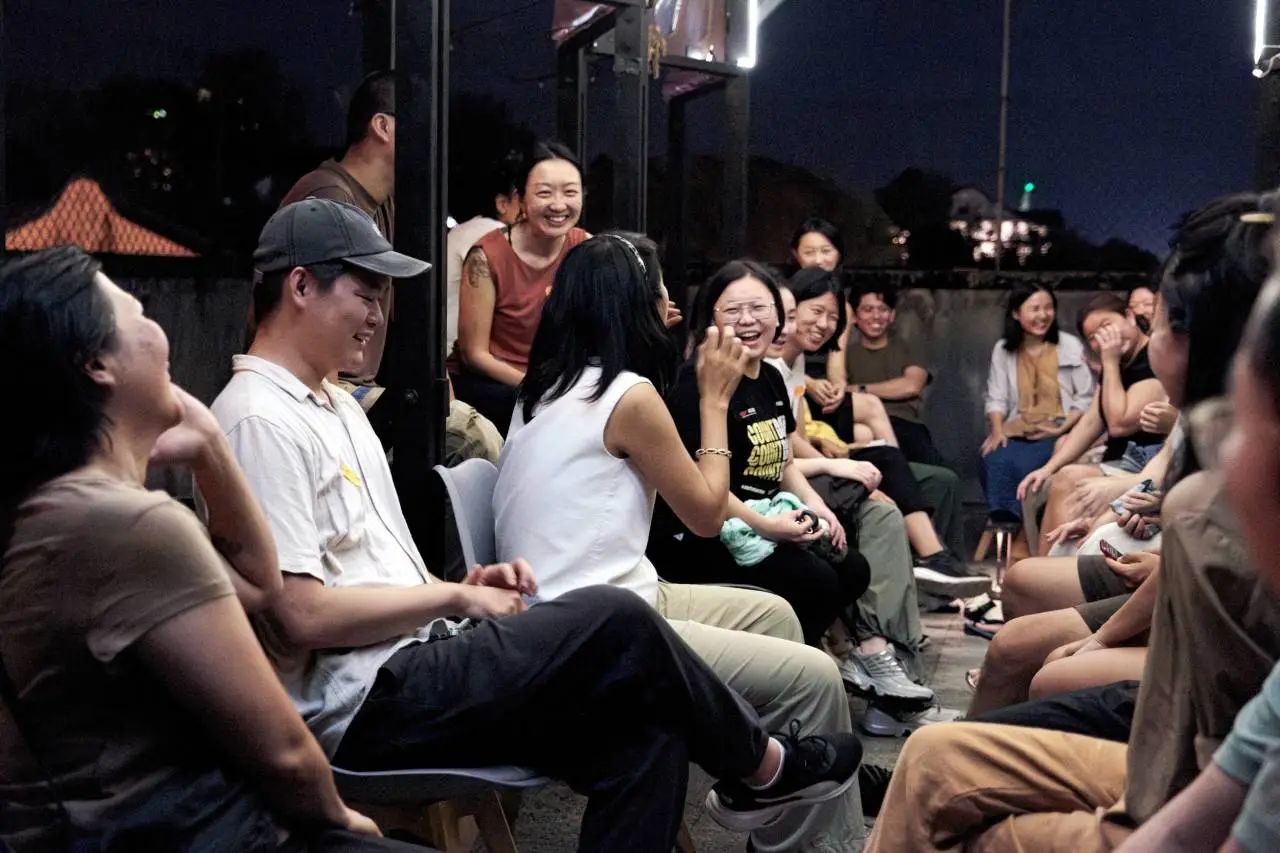
The journey began with ice-breaking exercises such as the Songline and the Art of Invitation, fostering trust and collaboration. A guided tour of the Borneo Cultures Museum showed how regenerative design extended beyond sustainability in material terms to touch on cultural values on cultural preservation and inheritance. Through The Human Library, an activity that allowed us to deeply listen to each other’s stories, a sense of community and the spirit of Gotong-Royong subtly began to take root.

As we quietly stepped into the silence of Fairy Cave, connecting deeply with nature, we realized that regenerative design was not just about shaping spaces but also listening to nature and allowing for its essence to emerge.

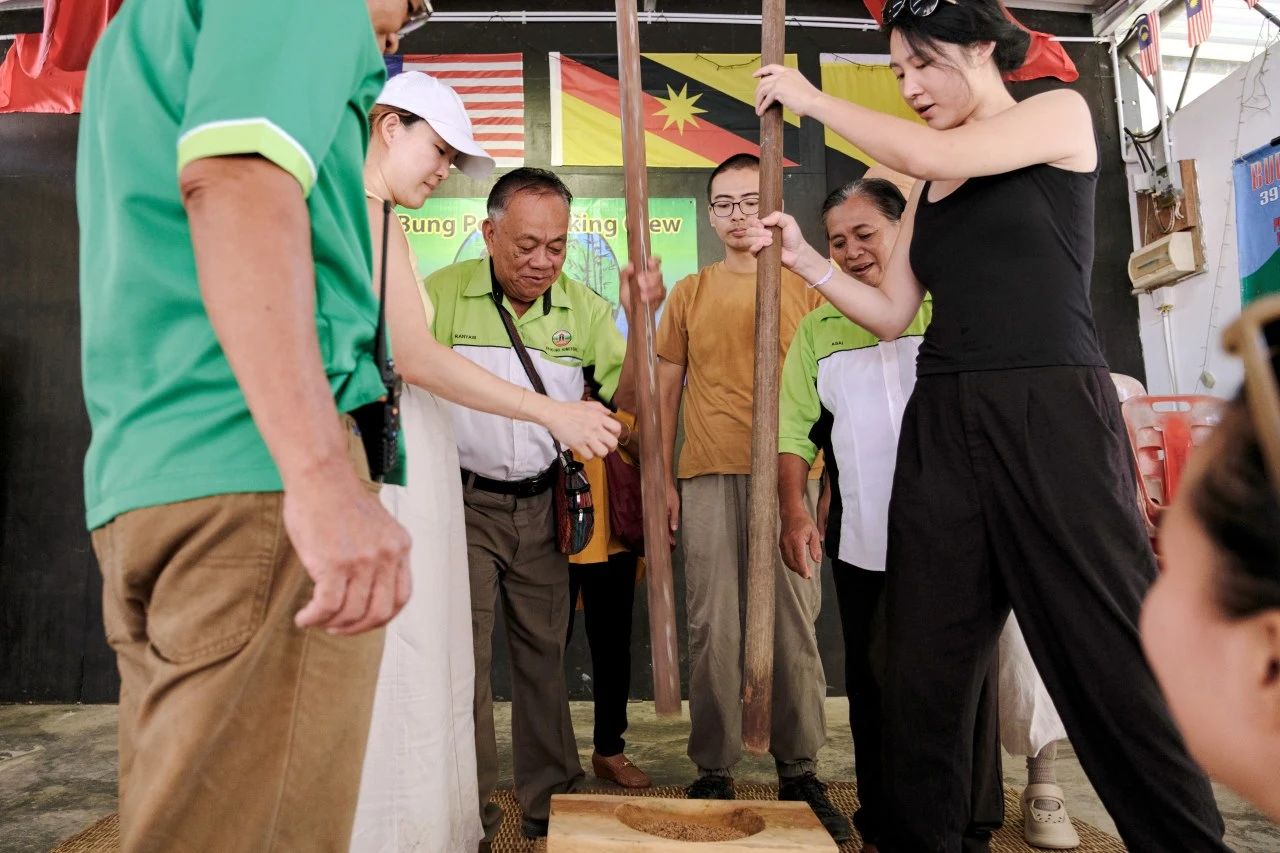
In the Bidayuh community, we immersed in the Gotong-Royong tradition, learning that the vitality of the community is rooted in collective strength and mutual support. This experience deepened our understanding of the significance of “coexistence”.

We sought for our personal connection —water, food, soil— and rekindled our bond with the earth, reflecting on what we took from it and what we could give back. We came to understand that regenerative design was a reciprocal process: it enabled us to draw inspirations from nature while we infused it with our energy. What is our role on this land? How can our actions contribute to its evolution?


We saw that regenerative design and Gotong Royong are not separate but intertwined, complementary concepts. United by a common belief in regenerative design, we gathered on Borneo’s land to explore how to practice non-exploitative, mutually beneficial design. Our exploration of coexistence with nature, community, and culture was a journey empowered by the spirit of Gotong-Royong, which fueled collective collaboration and mutual support.
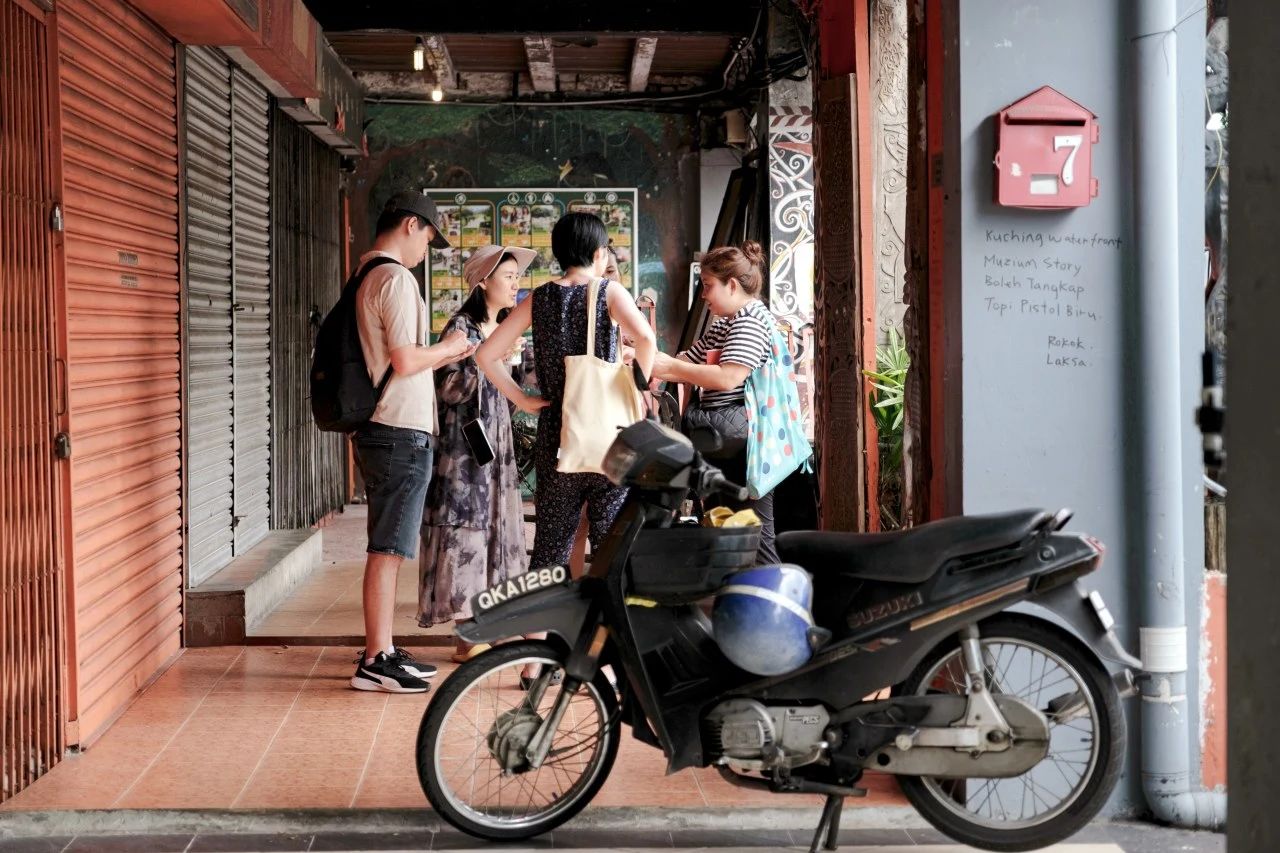
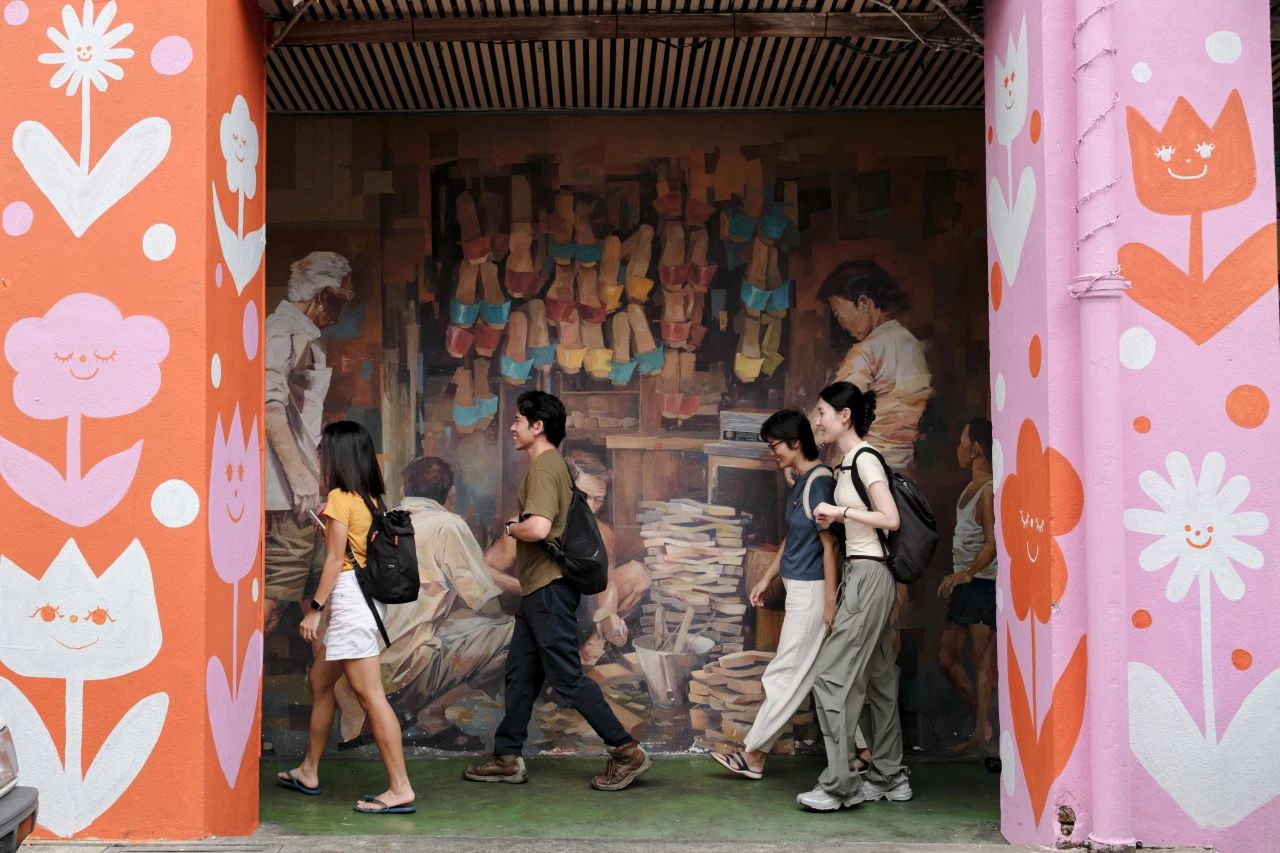
Co-Creation & Collective Power: Giving Back to the Land
In the spirit of Gotong-Royong, cooperation flowed like the heartbeat of life, connecting each person into a harmonious whole. Whether it was cooking together or brainstorming project designs, collaboration was not just about getting things done — it was about supporting and connecting with one another. During the design process for the Ripple project, ideas collided and sparked, with every voice valued and amplified. Could we tap into that power in this collaborative field?

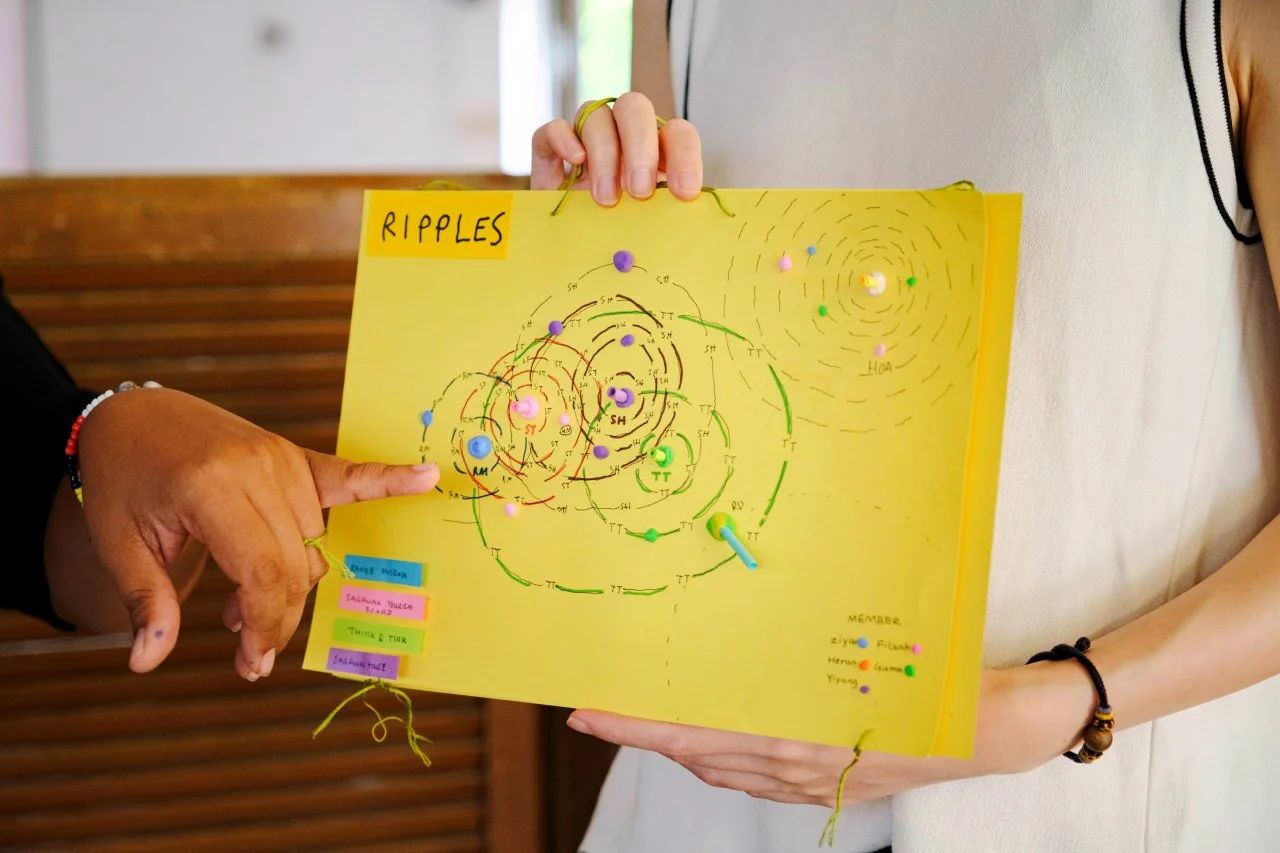
In this space, we were no longer isolated individuals; we were nourished by each other. Every small contribution was part of the system’s breath and growth. Regenerative design drives this connection, reshaping relationships between people, nature, and society through systemic transformations. Nodal interventions offer opportunities to plant seeds of transformation, using minimal resources to create maximum impact on the whole system.


Honoring Local Uniqueness: Rooting Design in Place
The uniqueness of a place is the fruit of long-term human and natural coexistence. When we immerse ourselves in its culture and listen attentively to the land, we feel the heartbeat of the land. Regenerative design is about honoring and engaging with the culture and ecology of a place. It requires us to start a dialogue beyond time — finding balance between modern aesthetics and traditional architecture, between nature and design. In the stories shared by elders in the Bidayuh village, we heard quiet wisdom, rooted in the land and shaped by time, reflecting a deep harmony with nature.


The principle of “starting with the uniqueness of place” calls for the respect and embrace of local cultural and ecological identities. Through the lens of contextual relevance, we learnt to listen and address the needs of the land and its people. It revealed that only by honoring and protecting these qualities could design emerge, nurturing ongoing vitality and connection.
Ecology & Relationships: Restoring Connections
Regenerative design goes beyond ecological restoration to include the rebuilding of relationships. The principle of “starting with potential” invites us to look beyond the present state and discover the latent possibilities within ecosystems and communities. Identifying potential is the first step in regenerating connections between humans, nature, and one another. What kinds of reciprocal relationships are we fostering? How can these relationships allow every element in the system to thrive and evolve?

In the deep darkness of Fairy Cave, we heard the subtle echoes of bats and felt our bodies become attuned to the environment like radar, sensing the space around us. As we stretched our limbs, we felt a profound connection to the silent rocks of the land. This deep communion with nature stirred an ancient sense of healing—nature itself possesses a remarkable capacity to restore. How can we create more space for this healing power? This quiet experience prompted us to reflect on how we could bring nature’s restorative energy into our relationships, repairing the emotional bonds that might have frayed over time.
Decentralized Leadership: Activating Collective Wisdom
The spirit of Gotong-Royong lies in decentralized cooperation. Regenerative design calls for distributing decision-making within complex systems without relying on a single leader. It values collective wisdom and co-creation over centralized leadership. In this model, each member is both a participant and a contributor, with every voice and perspective merging in equality to create a vibrant, creative field. Collaborative creation disrupts traditional hierarchies, establishing fertile ground for shared leadership.


The process of building a collaborative field was key to our work. By co-creating with local Borneo residents, we embraced crowdsourcing and participatory processes that allowed us to exchange ideas, skills, and perspectives. This expanded the creative possibilities of the group. The idea of developing capability — awakening regenerative power in individuals and communities through observation, understanding, and innovation — went through every phase.
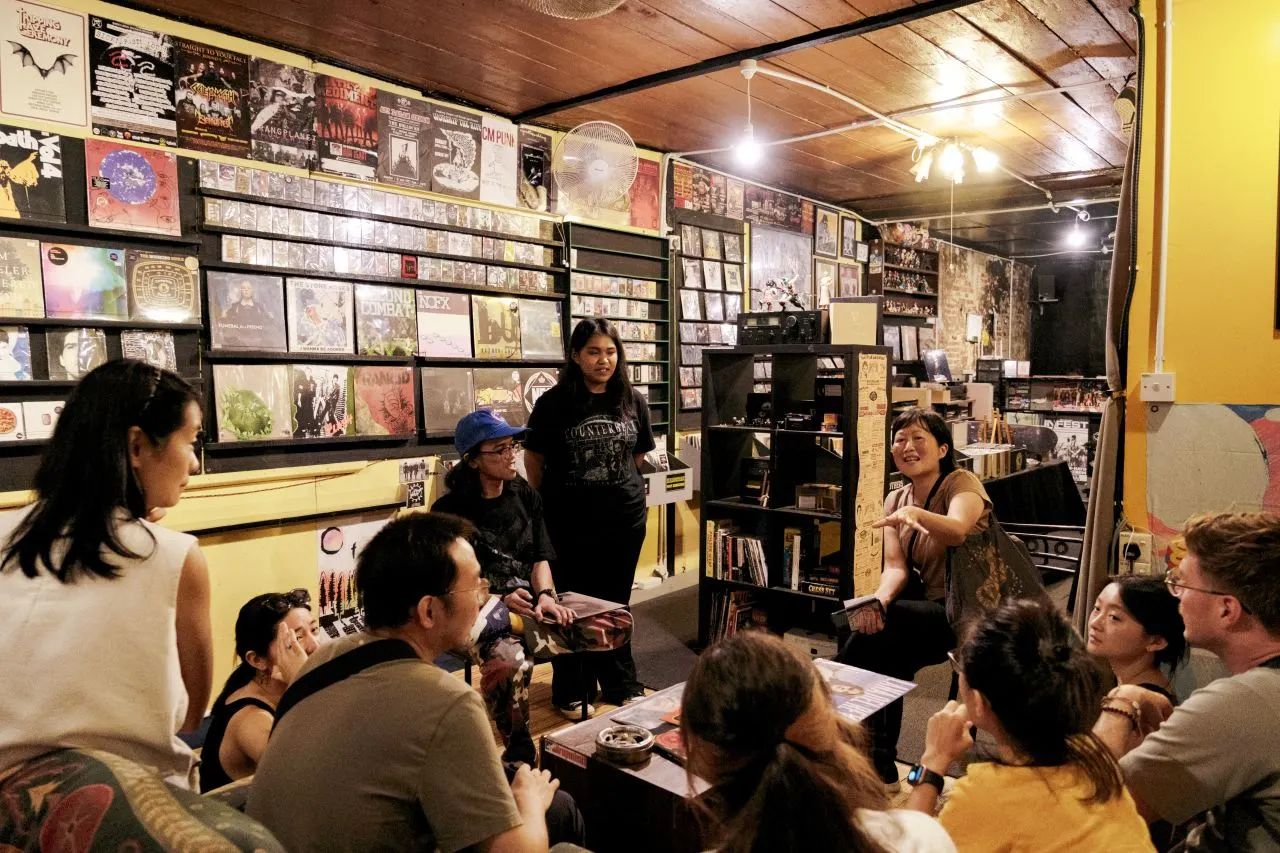

Action & Dialogue: Long-Term Impact
The principle of “wholes are nested” reminds us that each design is part of a larger ecological system. Individuals, communities, and environments are interwoven into a multi-layered, organic network. Every small change within a system reverberates through the whole. Designers must adopt a multi-dimensional perspective to unlock the potential in every design. With this approach, design becomes integrated into the broader ecological web, enhancing resilience and regenerative capacity.

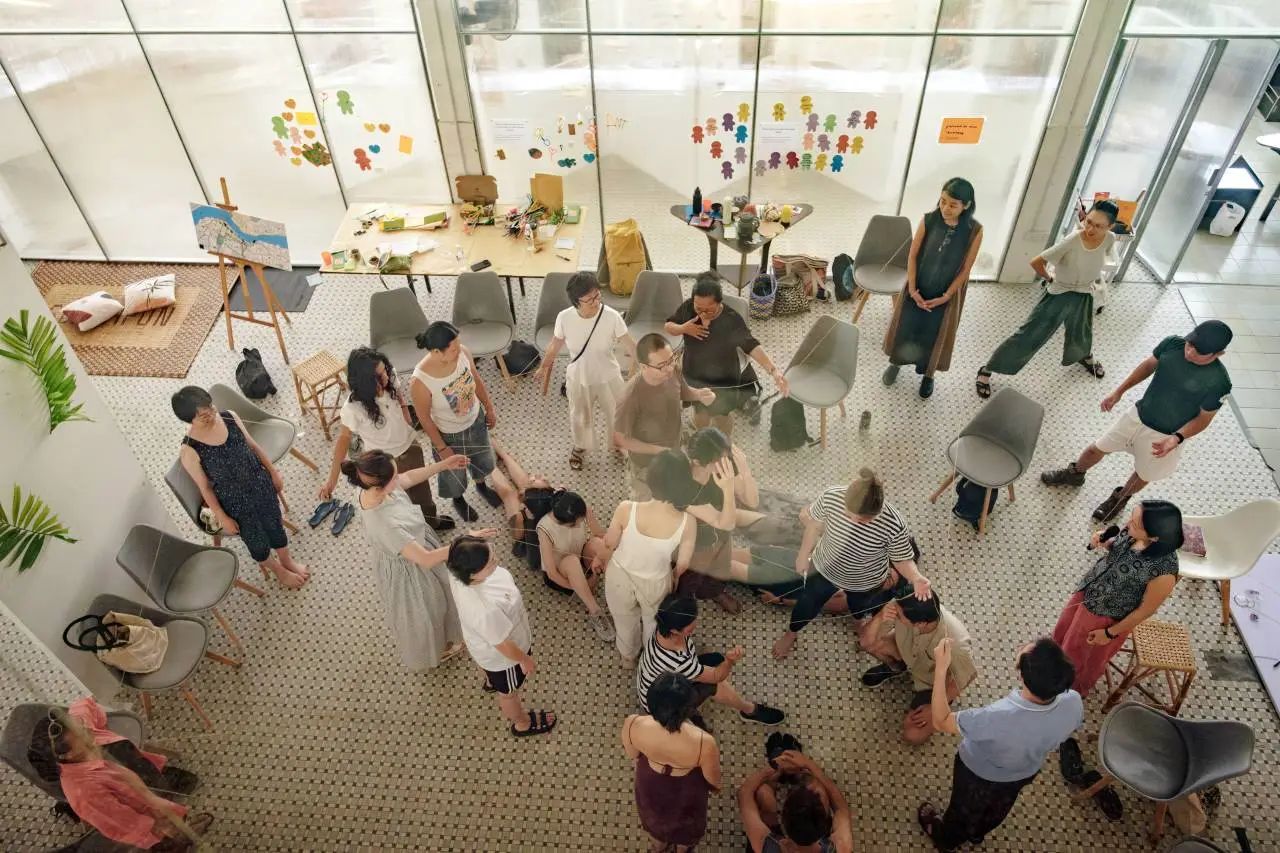
Regenerative design is not just about taking action but also an ongoing dialogue. Our ideas evolve as we share perspectives, deepening from simple concepts into more profound insights. This process helps to rebuild a regenerative network of care and support, leading us back to a state of balance. Under this philosophy, the idea of non-extractive innovation becomes central to our practice, encouraging us to look beyond traditional resource exploitation. Instead, we imagine solutions that sustain resources while unlocking their ecological potential.
#2
Memories, Commitments and a Shared Future
Most memorable moments
- The moment when eyes are closed. When the surroundings turn dark. When you don’t hear any sound from humanbeing. When you dive into the ocean of feeling.
- Wandering across the river and enjoying being alone to explore by myself. Feel free, calm and chill.
- Walking on grass and laughing with others by the river.
- Eating laksa together, shouting dare dare dare oo yaa when drinking tuak. Pool party in Marian hotel, exchange life stories with people.
- Probably the conversations I’ve had. Watching people shift in their seats, just being themselves. I was always so curious how people lived, where is home for them… Etc.
- Sitting in the Fairy Cave failing out. Feeling safe, trust, allowing, letting go. Nature has my back.
- Gotong-Royong.
- Creating the Ripple project with a group, very fun and fulfilling experience!
- The snack table just grows =D yum yum yum, it’s regenerative!
- When Wendy said “it’s the rest of my life…” I saw deep love and connection in her with the community here.
- Lick the snack with eyes closed!
- Talk, listening, feeling, patience is power.
- Sharing stories about the interconnectedness of the Malay archipelago through the body, lessons, gotong-royong in the deep, deep night.
- Planting the seed in your soil and water is with love.
- The collective that hold up a safe place for this community.
- Group Project bring vast & different opinions & viewpoint, and let the idea unfold itself.
- The concept of gotong-royong by bringing call activities & people together.
- Actually, every moment, if I have to say, it’s when we were in the fairy cave. The connection with nature, fairy cave with 400 million years of history, made me disappear.
- Wandering in the city, staring at the crossroads.
- Each moments.
- Finding pieces of home in another home. Learning to love the potential & essence of everyone.
- When we had very open, deep listening conversation under the trees & nature.
- Enlightenment under the tree/nature.
- Learn my history, my homeland, my soil, in the different perspective.one who knows its root, one who can harvest the shoot.
- Most memorable thing is being surrounded by those people who have such energy & powerful community passion & knowledge.
- Walk with Samantha & the group. 2AM group. The time bidayuh grandmother holds my hand.
- Cooking in the village. I enjoy the process and also the lunch. It reminds me that not only the outcome but the process are important!

Commitments & Seeds
- Find my way with compassion and regenerative intentions. Slowly but surely.
- To have the courage to be aligned with myself, my beliefs. To go to Tibet, Bario, HK… Know other worldviews to even have more courage.
- Collect more seeds and broadcast all seeds.
- Build the relationship with the community.
- Community→earth→nature→deeply and slowly.
- Practice Letting go.
- No rush. I have to do that for the rest of my life.
- I commit to introduce this regenerative design principles and understanding to the younger generative. The earlier they get to explore, the lesser the future they have to work hard on.
- Regenerate myself. Take myself as seeds. Living a life that arouses people’s interest to ↑
- Follow my passion. Focus on Potential. Gotong-Royong! Giving more love to this world, to people surrounding me.
- When I go back to my country. I am going to record some completed projects have dialogue with the government and operators, find positive possibilities.
- I want to bring the principles of regenerative design to my daily practice. I want to instill it in the design studio where I’ ll be teaching. I will try to introduce regenerative design to my fellow architecture society. I will also commit to bring all the good virtues I share & gain from this programme. I commit to bring back compassion and positive spirit.
- Forgiveness. The ability to have fun. Find the way to myself as to have the strongest power to help the others.
- The seed of curiosity sprouts to a care, a zeal, a passion… I commit to listening closer, loving harder.
- Seek for wisdom, not only the outcome. Think out of the box. Use less of my mobile phone.
- Just do a little better things from yesterday.
- More mindful in my thought, speech and action. Do the right thing.
- After today, I will commit to put on the effort to foster relationships wherever I go. I used to think that I need to know someone for a very long time before opening up-but not necessarily. I think it is lovely to share.
- Do what I say.
- Practice taking up more space and find my voice. Not for my ego but for the eco (system).
- To elevate humble people, materials, and ideas.
- To start a study of traditional materials in China and it’s context in everyday life.
- Practice regenerative design principles on my project- “New Youth” and develop youth environmental activist community in China and abroad. Complete our research report! Open heart, open mind, open perspective, passion, deep listening. Care for others. Relationship-based action.
Contribution & Learning needs
- I intend to continue unlearning the outdated methodologies & to continue living in the love for nature, my fellow humans & all other earth’s inhabitants. I’d love to listen to rocks, water, soil, more. To listen, smell, taste, ever-readiness of this planet & all I get to encounter. & with this inner spring of love, flows my expression of art, activism, conversation, inspiration… the potential is eternal.
- To have some more “ripples” after this trip. To help other people form a ripple.
- I’d like to collect inspiring regenerative projects in my country as part of the catalogue of regenerative project examples for international community.
- I bring the practice with my students to listen to our own voice. To be continued… When will seed become a nut?
- Start to do!!! Just try and reflection and adjust. No rush. One step by one step.
- I hope to stay connect and give support to whoever from the community. I want to continue to learn the deeper meaning and practice for the 7 principles.
- Contribute wisdom & seeds. Collect wisdom seeds to make seeds alive.
- In a time of change, I have to build sincerely and with compassion an interwoven worlding of my new home, building a safe space of care to heal before relying and extending invitation to all the hearts for souls I met here. I want to rely and build care collectively ripple together.
- I want to bring/expend regenerative practices to my place, my community. I want to learn deeper of the regen. practices in architecture and architecture education. I want to learn more on breathing works, and exercises like we had in this program – how such exercises though look simple but have a deeper impact, how it heals the soul of hard ego architects.
- Be real and genuine. Rippling. I want to learn more about how a seed becoming a plant, the process, details.
- Continue the group challenge: Collective dream journal, collect more response to more curiosity, also do my own journaling of this journey and share some reflectionswith others, friends, family, local communities, so much to do…
- Welcome to the reading club!
- I want to contribute to regenerative design in Taiwan, my hometown, by learning from any corner of the world. More knowledge & actions to keep being surrounded by people who have the belief.
- Continue regenerating myself. Regenerate people during a process that we create a new regenerative project this group can work on.
- Continue the journey of enlightenment.
- Hold space for the growth & emergence of Future+. Allow for change/new energy to come in. Expand and also deepen my practice.
- To make our network more resilient and impactable, learn to be more open and brave.
- Continue to learn and practice the regenerative principles, hope to deliver the TRP to more people. In my work help the network of conscious designers to grow, to transform and impact.
- To continue the rippling effect.
- To achieve a regenerative mode/form/system which can be applied in the city.
- I’d love to learn how the system could work in real-life. Or in different locations. I hope to contribute the sense of community/reciprocal relation on a larger scale.
- Build a website to establish a global network!
#3
Journey Continues Next Gathering in Bali
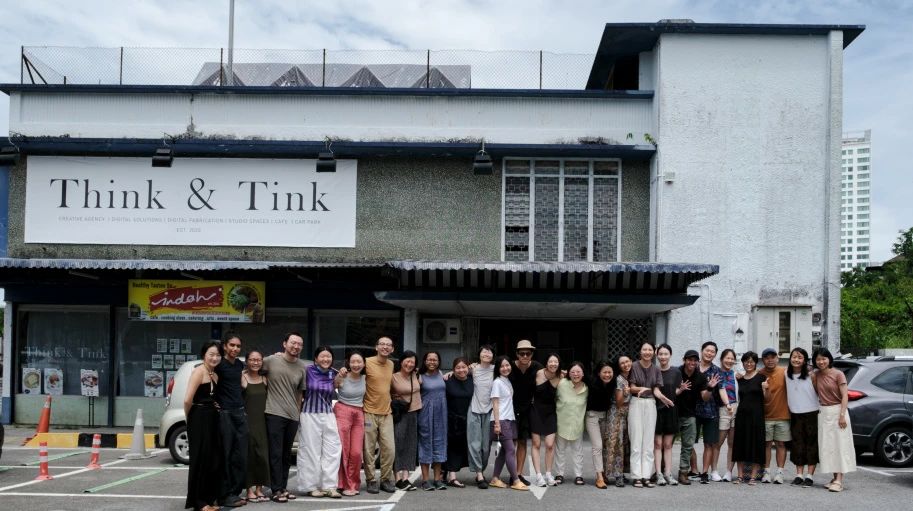
The second gathering of the Future+ Regenerative Design International Workshop has concluded. We thank all participants for your trust and engagement, and every partner for your support. Special thanks to WildBound and Architecture 2030 for organizing this event. We are grateful to Wendy and Tham from Borneo Lab for sharing Think&Tink, a space that allowed us to experience the resonance between humans and nature in Borneo.
Thanks also to Jane, an independent photographer, and Lin and Chun from Asa Esa for capturing meaningful moments. Volunteers Nana and Aria deserve special mention, as well as Ziyan and Xiao for leading the morning practices to keep everyone energized. Our thanks also go to Indah Cafe for providing a welcoming venue. We appreciate Stephan and Irfan from Unimas ICreate, Datin Rosemarie and Yvonne from Marian Hotel, Brooke Trust, Miss Asnida from BCM, and Stewart Ooi for your support and design contributions.
We also thank the shops and dining partners: Black Bean Coffee, Bandat Record Store, Skrang Tattoo Studio, Old Court House, and catering partners including Indah Cafe, Green Hill Corner, Peanuts Anchovies, Kim Joo, Lau YaKeng Foodcourt, Ceylonese Restaurant, Borneo Delight, Jak Ma’an, and Pinggai Cafe.
Our next chapter begins in Bali, Indonesia. Stay tuned for registration details!
2024年10月17日至21日,野声WildBound携手Architecture 2030及古晋本地伙伴Borneo Lab在婆罗洲的核心地带共同举办了Future+古晋营,延续着在中国四川铁牛村和泸定首期营会中播下的再生种子,在马来西亚古晋的土壤和社区展开深刻的对话。
在这片孕育梦想的土地,创意的种子在婆罗洲深厚的文化底蕴和社区智慧的滋养中生根发芽。来自中国(大陆、香港、台湾)、印尼、新加坡、马来西亚、德国等地的22位营员,带着各自的视野与想象,跨越建筑、农业、教育、艺术的界限,在再生设计原则与Gotong-Royong精神(一种为共同利益而合作的社区精神,马来语中“gotong”意为“携带”、“royong”则意为“一起”)的引领下共同创造。
再生设计七大原则:向生命系统思维转变
#1
在婆罗洲的土壤于再生中编织智慧
旅程伊始,我们在生命之歌(Songline)、邀请的艺术(Art of Invitation)等练习中建立信任。婆罗洲文化博物馆为我们展现了一种尊重与包容的策展方式,让我们意识到再生设计的意义超越了物质层面的可持续,触及了文化的保护与传承。人类图书馆(Human Library)活动中,深度倾听彼此的故事让我们开始融入一个共同体,Gotong-Royong精神在这些片段中悄然滋长。
当我们静默走入仙女洞(Fairy Cave)与大自然深度连结,我们意识到再生设计不仅是塑造空间,更是在设计中为自然留下应有的存在感。
在Bidayuh社区,我们亲身体验Gotong-Royong的共享与支持传统。社区的生命力来源于这种集体的力量与相互扶持,这种体验让我们深刻理解了“共生”的意义。
我们寻找属于自己的那一条线索——水、食物、土壤,重新建立与大地的连结,反思自己从大地中获取了什么,又能为它带去什么。我们意识到再生设计是双向的:它需要我们既从自然中汲取灵感,又为其注入能量。在这片土地上,我们的角色是什么?如何才能真正服务于这片土地?
我们在彼此的表达中看见自己,分享和共鸣让我们意识到,再生设计与Gotong-Royong并非独立存在,而是相互交织、彼此滋养的关系。我们带着对再生设计的共同信念,聚集在婆罗洲的土地上,探索在这里如何践行互惠的非榨取性设计。我们走上了一段与自然、社区和文化共生的探索之旅,Gotong-Royong的精神贯穿始终,为集体协作和互惠共生注入力量。
共同创造与集体力量:以互惠之心回馈土地
在Gotong-Royong的精神中,合作与支持如同生命体的心跳,温暖而有力地涌动,将每个个体联结为一个有机的整体。无论是一起动手做饭,还是在项目设计中集思广益,这种合作不仅仅是完成任务的方式,更是连接彼此、相互支持的核心。正如在设计Ripple项目的过程中,大家的想法碰撞出火花,每个声音都被尊重和放大。我们是否在这种共鸣中触摸到了那种超越个体的集体力量?
在这个共同创造的场域中,我们不再是孤立的个体,而是彼此滋养。每一个微小的贡献都在让整个系统呼吸、生长。再生设计正是这种共鸣的催化剂,通过系统性的转变重构了人与生态、人与社会的关系。在相互交织的节点间,我们的选择如何才能激发出更深远的影响?当我们识别关键节点时,每一个触点都成为播种转变的机会,帮助我们以最少的资源撼动更大的结构。
尊重地方的独特性:在地性赋予设计灵魂
地方的独特性是人类与自然长久共生的沉淀与累积。当我们走入文化,便触摸到这片土地的生命脉络。再生设计是一种对特定文化与环境的深度尊重,一场跨越时空的精神对话——当设计融入社区传统建筑的风格,带着对自然的敬意,我们便在现代美学与地方文化之间找到一种平衡,与历史对话、与未来对话。在Bidayuh村庄长者们的讲述中,我们聆听到一种沉静的生态智慧——那是深植于土地、历经岁月积累的知识,与自然共生,和谐共存。
再生设计的“从地方独特性出发”原则正是这样的召唤——从尊重地方文化与生态的独特性开始,去挖掘和展现其精髓。在这一过程中,情境相关性(Contextual Relevance)鼓励我们理解并回应当地文化和生态的深层需求。唯有在尊重与保护的前提下,设计才能在这片土地上真正扎根,生发出源源不断的生命力。
生态与人际关系:从潜力出发修复联结
再生设计不仅关注生态的复原,更关心人际关系的重建。“从潜力出发”的设计原则提醒我们:设计不仅要回应现状的局限,更应挖掘生态和社区中尚未被发现的内在潜能。这种潜能的激发,是人与自然、人与人关系复原的第一步。我们所构建的,是人与自然、人与人之间怎样的双向互惠关系(Reciprocal Relationships)?这种关系能否让每一个元素在交织的网络中不断成长、进化?我们在仙女洞(Fairy Cave)探索这种复原的过程。
在幽深的黑暗中,耳边回响着蝙蝠的声音,身体如雷达般探测和感知着周边的环境。我们舒展身体,仿佛自己也成了这片土地千百年来静默的岩石。这种与自然的深层连接唤醒了一种久违的感受:自然本身具有深沉的治愈力量。我们是否应该为它保留更多的空间?这种静谧的体验似乎在引导我们去思考,如何将自然的疗愈力带入人际关系之中,重建那些早已松散的情感连接。
去中心化与共享领导力:建立协作场域,激活集体智慧
Gotong-Royong的精髓在于共同参与、去中心化的合作,再生设计则在复杂系统中提倡分布式决策,不依赖单一的领导者,而是依靠集体智慧的汇聚与共创。每位成员既是参与者也是贡献者,每个人的声音和视角在平等中交汇,形成了一个充满活力的创意场域。相互成就的共创打破了传统的权力结构,为集体创造和共享领导力提供了充满生命力的土壤。创意并非以线性方式展开,而是有机地生长,在每一次碰撞中生成新的可能性。
在整个过程中,建立协作场域(Build a Collaborative Field)至关重要。我们与婆罗洲当地居民共同创造,众包参与式过程(Crowd-Sourcing and Participatory Process)支持我们分享视角和技能,拓展集体的创意边界。能力培育(Developing Capability)的理念贯穿其中——通过观察、理解与创新来唤醒个体与集体内在的再生力。
行动与对话的可能性:长远影响与多层嵌套
再生设计中的整体嵌套、环环相扣(Wholes are Nested)原则提醒我们,每个设计都存在于更大的生态系统中。个体、社区、环境彼此交织,共同构成多层嵌套的有机网络。每一个小系统的变化都会波及整体,设计者需要以多层次的视角去洞察每个设计的潜力。在这样的视角下,设计得以融入更广阔的生态网络,成为支持韧性与复原力的一部分。
再生设计不仅关乎行动,它更是一场持续的对话。我们的想法在彼此的视角中不断丰富,逐渐从简单的创意走向更深层的理解,仿佛在重建一个支持与关怀的再生网络,这一过程让我们逐渐回归一种原初的平衡。在这一理念的指引下,非榨取性创新(Non-Extractive Innovation)成为我们设计实践的核心,鼓励我们超越传统的资源获取方式,避免对环境和社区资源的掠夺,去构思那些既能持续利用资源、又能释放生态潜力的方案。
#2
回忆涟漪、承诺种子与共生未来
那些难忘的体验与时刻
- 当眼睛闭上,四周变得漆黑,听不到任何人声,仿佛沉入感受的海洋。
- 独自在河边漫步,享受探索的时光。自由、平静、放松。
- 在草地上行走,和伙伴们一起在河边欢笑。
- 一起吃叻沙,喝米酒时喊着“dare dare dare oo yaa”。在马里安酒店的泳池派对上,和大家交换生活故事。
- 大概是那些对话。看着人们放松地坐着,展现真实的自己。我总是好奇大家的生活,他们的“家”是什么样子……
- 坐在仙女洞中放松,感到安全、信任、接纳和放下,仿佛大自然在背后默默支持。
- Gotong-Royong的精神。
- 和小组一起创造Ripple项目,非常有趣而满足的体验!
- 零食桌越堆越满 =D 美味,充满再生的意味!
- 当Wendy说“这是我余生……”时,我看到她对这个社区深深的爱和连接。
- 闭上眼睛,静静地品尝零食的味道。
- 对话、倾听、感受,耐心即是力量。
- 在深夜里分享着关于马来群岛通过身体、树叶和Gotong-Royong相连的故事。
- 在土地上播种,用爱浇灌。
- 集体为这个社区提供了一个安全的空间。
- 小组项目带来了不同的观点和意见,让想法自然而然地展开。
- Gotong-Royong的概念,通过聚集活动和人们的协作来展现。
- 整个活动本身。
- 漫步于城市中,凝视十字路口的风景。
- 每一个瞬间都难以忘怀。
- 在另一个家中找到家的片段。学会去欣赏每个人的潜力与本质。
- 在树下、自然中进行开放而深入的倾听对话。
- 在树下/自然中获得启发。
- 从不同视角重新认识我的历史、我的故乡、我的土地。只有了解根的人,才能收获新生的枝叶。
- 最难忘的是被充满活力、热情与智慧的社区伙伴们包围。
- 与Samantha和团队一起散步,凌晨两点的小组活动,Bidayuh的祖母牵着我手的那一刻。
- 在村庄里一起烹饪。我享受这个过程和午餐,它让我意识到不仅仅是结果,过程本身同样重要!
我们的承诺与种子
- 找到一条充满同情心和再生意图的道路。充满爱意。
- 拥有勇气与自我和信仰保持一致。去西藏、巴西、香港……接触不同的世界观,获得更多的勇气。
- 收集更多的种子,并将这些种子广泛播撒。
- 与社区建立关系——社区→地球→自然——深刻而缓慢地发展。
- 练习“放下”。
- 不急于求成——这是我余生要去实践的。
- 我承诺将再生设计的原则和理解带给年轻一代。让他们越早接触,未来的负担就会越小。
- 再生自我。把自己当成种子。过一种引发他人兴趣的生活。
- 跟随我的热情,关注潜力。Gotong Royong!把更多的爱带给这个世界,带给我周围的人。
- 当我回到我的国家时,我会记录一些已完成的项目,与政府和运营方对话,寻找积极的可能性。
- 我希望将再生设计的理念融入我的日常实践,将其应用在我教授的设计工作室中。我会努力向建筑圈的同仁们介绍再生设计的理念,也承诺将此次课程中获得的所有美好经验带回去,并分享其中的善意、同情心和积极精神。
- 宽恕、享受生活的能力。找到通向自我的道路,以获得帮助他人的力量。
- 种下一颗精神、热情和激情的种子。我承诺更多地聆听他人,更加深切地去爱。
- 寻求智慧,而非仅仅关注结果。跳出框架,少用手机。
- 每天做得比昨天更好一些。
- 更加有意识地对待我的思想、言语和行动,去做正确的事情。
- 从今天起,我会努力在任何地方培养关系。我曾以为必须与人认识很久才能敞开心扉——但不一定如此。我发现,分享是一件美好的事情。
- 言出必行。
- 练习展现自我,清晰表达我的声音。不是为自我,而是为生态系统。
- 谦逊地对待人、事、思想。
- 开始研究中国传统材料及其在日常生活中的应用。
- 在我的项目“新青年”中实践再生设计理念,推动国内外青年环保行动者社区的建设,完成我们的研究报告!
- 敞开心扉、保持开放的心态,视角开阔,带着热情,深入倾听,关爱他人,以关系为基础的行动。
贡献与学习
- 我希望继续编织可操作的方法论,并带着对自然、人类和地球万物的爱生活。我想倾听岩石、水流、土壤的声音,感受星球的气息。用这份爱的源泉滋养我的艺术、行动、对话和灵感……这种潜力是无限的。
- 希望在此次旅程后带回更多“涟漪”,帮助他人也能产生新的涟漪。
- 收集国内的再生项目,作为国际再生案例库的一部分。
- 将“倾听内心声音”的实践带给我的学生,种子何时会成长为一片森林?
- 开始行动!尝试、反思、调整。慢慢来,一步一步前行。
- 希望保持与社区中人的联系并提供支持,继续学习并实践再生设计的七大原则。
- 贡献智慧与种子,收集智慧的种子,使其焕发生命力。
- 在变革的时代,希望真诚且富有同情心地构建一个交织的社区,为在此遇到的每一个美好灵魂创造一个充满关怀的空间。希望依靠彼此的支持,共同形成关爱的涟漪。
- 将再生实践带回我的家乡和社区。
- 学习再生实践在建筑及建筑教育中的应用。
- 想进一步学习我们在此次课程中体验的呼吸练习与身体练习,虽看似简单,却能深入疗愈建筑师的“硬性”自我。
- 做真实的自己,形成涟漪。我想学习种子如何一步步成长为植物的过程与细节。
- 继续进行集体挑战,记录集体的梦日记,收集更多回应并激发好奇心。记录旅程并与朋友、家人和社区分享反思……还有很多要做。
- 欢迎加入读书会!
- 通过学习来自世界各地的知识和实践,为家乡台湾的再生设计贡献力量,并与有相同信念的伙伴共同成长。
- 不断再生自己。在我们共同创建再生项目的过程中,为自我和他人注入新生力量。
- 继续走在启迪的道路上。
- 为Future+的成长和新生提供空间,拓展并深化我的实践。
- 让我们的网络更具韧性和影响力,学会更加开放和勇敢。
- 继续学习并践行再生设计的原则,帮助更多人了解再生实践网络,助力有意识的设计师群体成长、转型并产生积极影响。
- 扩展涟漪效应,让它传递更远。
- 创建一个适用于城市的再生模式、形式或系统。
- 希望了解这些系统如何在不同情境中实际运作,为更大规模的社区/互惠关系带来助力。
- 建立一个网站,构建全球网络!
#3
再生之旅将继续巴厘岛等你
Future+再生设计国际生态营的第二站圆满结束。衷心感谢每位营员的信任和全情投入,也感谢这段旅程中每一位给予我们支持和陪伴的伙伴们。特别感谢野声和建筑2030的发起与组织,感谢Borneo Lab的Wendy和Tham分享Think&Tink这个共享、探索、再生的空间,让我们在婆罗洲这片土地上真正感受到人与自然共鸣的力量。感谢Jane、来自Asa Esa的Lin与Chun用镜头捕捉每个真挚瞬间。感谢Nana、Aria以及所有志愿者的付出。特别感谢Indah Cafe提供的温馨场地。感谢子言和晓晓带领茶会、身体舞动练习,让大家从内到外保持能量。感谢Unimas ICreate部门的Stephan和Irfan,Marian Hotel的Datin Rosemarie和Yvonne,Brooke Trust的支持,BCM的Asnida,以及Stewart Ooi为我们提供的精美设计。此外,我们还要特别感谢在此行程中提供支持的店铺和餐饮伙伴们:感谢Black Bean Coffee、Bandat Record Store、Skrang Tattoo Studio和Old Court House的接待与分享;感谢Indah Cafe、青山角Green Hill Corner、Peanuts Anchovies、Kim Joo、Lau YaKeng Foodcourt、Ceylonese Restaurant、Borneo Delight、Black Bean Coffee、Jak Ma’an、Pinggai Cafe的餐饮支持。
下一段旅程即将在印度尼西亚巴厘岛开启,招募信息即将发布,敬请期待!


