

Future+ Bali: Explore, Reimagine, Regenerate
Future+ Bali: Explore, Reimagine, Regenerate (on Youtube)
Why Does the World Need Regenerative Development?
By 2060, urbanization will add 230 billion square meters of buildings—equivalent to a new New York City every 34 days for 40 years—contributing significantly to carbon emissions. Meanwhile, resource consumption has surpassed planetary limits, biodiversity is declining, and tree cover loss is accelerating, exacerbating ecological imbalances. Beyond environmental concerns, modern urban life is also leading to widespread loneliness, addiction, and mental health struggles.
At the root of these crises is disconnection—from ourselves, our communities, and nature. Architects and place designers play a crucial role in reversing this trend through regenerative development, which goes beyond sustainability by fostering deep, reciprocal relationships between humans and the environment. Unlike conventional problem-solving approaches, regenerative design recognizes that true transformation starts from within—by shifting how we think, work, and engage with the world. Instead of merely reducing harm, regenerative places actively restore ecosystems and strengthen social, ecological, and economic well-being.
What is Regenerative Development and Design?
There is no single definition for regenerative development. The Future+ organising team have studied with and been mentored by faculty members of the Regenesis Institute, whose descriptions we have found to be insightful and practical. Regenerative development is a process or practice that develops the capacity and capability of human and non-human living systems to co-evolve by realising their innate potential. It requires a radical shift in our mindset, acknowledging our roles as enablers and facilitators of whole living systems, breaking boundaries and siloes. Regenerative design emerges from regenerative development. Instead of imposing one’s own ideas and desires onto a place, regenerative design seeks to create products or services in support of the manifestation of the place’s essence and innate potential.
What is Future+?
Future+ (Future Positive) is a programme co-designed by Architecture 2030 and Wildbound, with a mission to enable the emergence of a regenerative architectural and place design hub in Asia. We partner with visionary communities and organizations, including:
- Mykunda Community (Sichuan, China);
- Borneo Laboratory (Kuching, Malaysia); and
- Earth Company (Bali, Indonesia).
Future+ offers immersive, multi-day experiences that combine hands-on learning, ongoing mentorship, and deep personal transformation. Our program integrates regenerative design principles, indigenous wisdom and connection to place, collaborative design challenges, nature-based practices and movement.
The curation and facilitation of Future+ reflect the organising team’s influences, which include: Regenesis Institute, Schumacher College, Regenerators Academy, Deep Ecology, Theory U/ Presencing Institute, Plum Village, and Association of Nature and Forest Therapy.
The first immersive experience took place in Sichuan (China) in May 2024, the second workshop took place in Kuching (Malaysia) in October 2024, and Bali (Indonesia) will be hosting the third experience in May 2025.
Who is Future+ for?
Future+ is designed for architects, urban designers, landscape designers, community facilitators, cultural workers, and educators across Asia. Whether you are a beginner or an experienced practitioner, if you are committed to applying and advocating for regenerative development and design, this program is for you.
Applicant Requirements:
- Professional background: Applicants from all backgrounds are welcome. Priorities are given to working architects, planners, place designers/ place makers (community facilitators working on creating places), rural construction practitioners, researchers in these areas, local government or real estate developers and other related practitioners with appropriate practical experience and professional knowledge.
- Language ability: Given the international mentors and participants involved in the workshop, applicants are expected to be able to communicate in English in order to participate in all activities and discussions.
- Willingness to practice: We expect applicants to put into practice the knowledge and skills they have learnt at the end of the programme, not only to enhance their personal and professional abilities, but also to contribute to the growing community and the promotion of regenerative development and design.
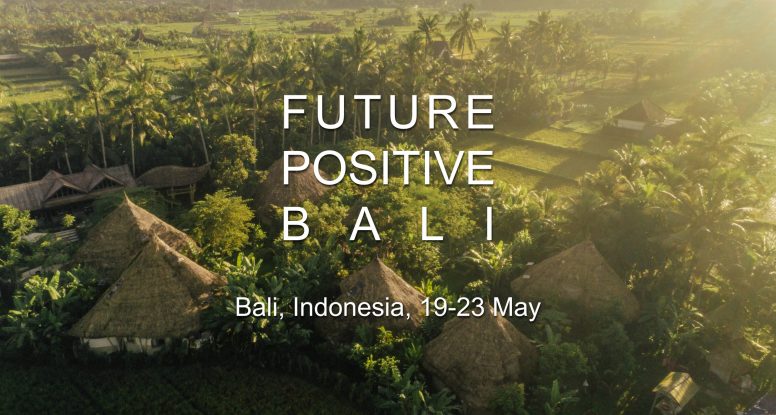
Future+ Bali | May 19-23, 2025
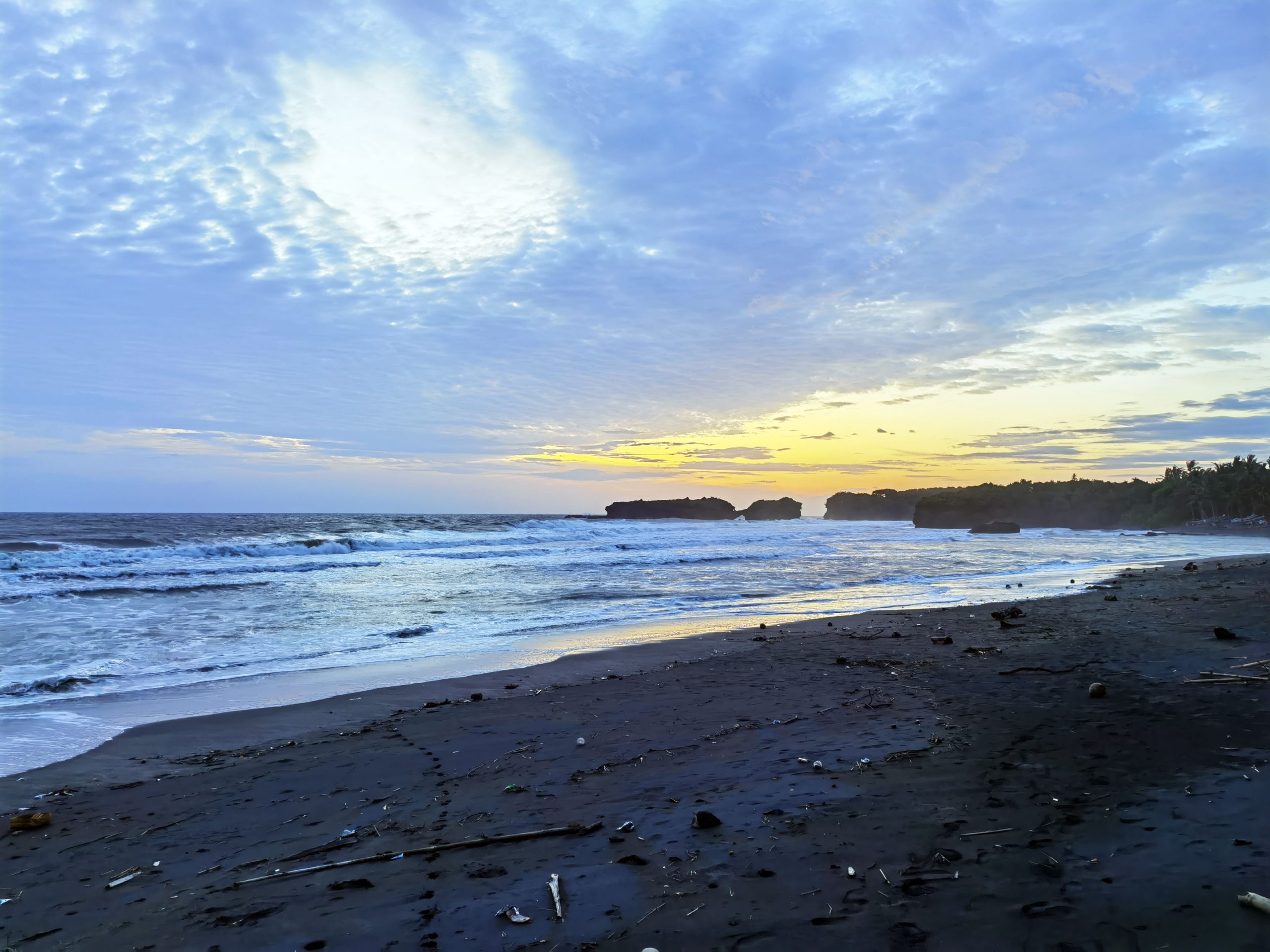
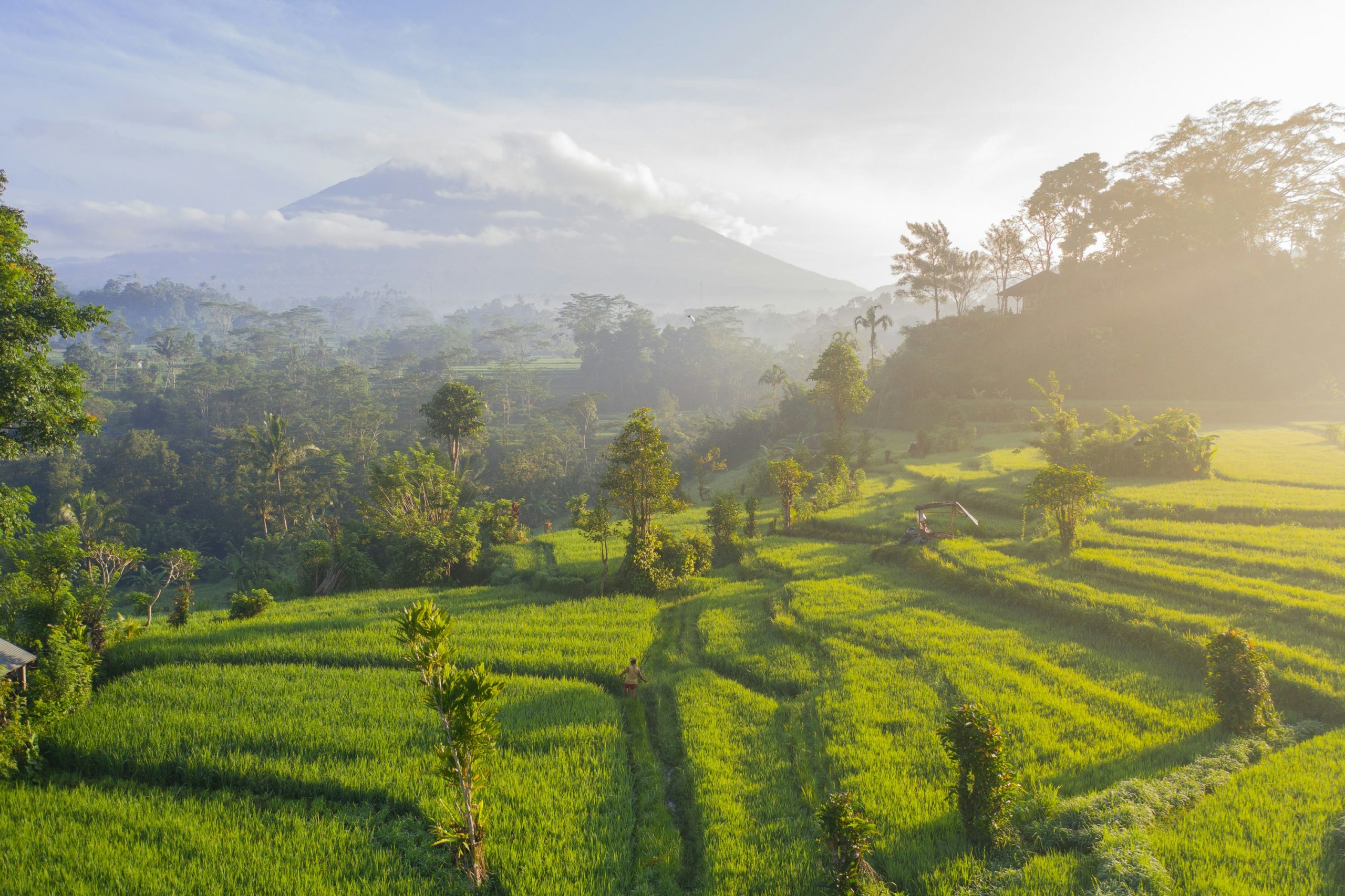
Bali, often called the Island of the Gods, is a breathtaking destination known for its diverse landscapes and rich cultural heritage. From lush rice terraces and majestic mountains to pristine beaches and vibrant coral reefs, the island offers stunning natural beauty. Its deeply spiritual culture is reflected in countless temples, traditional ceremonies, and art forms like dance, music, and crafts. Economically, the commercial hubs thrive with modern cafes and creative energy, while rural villages remain rooted in traditional agriculture and fishery. Bali is an island of contrasts—where the ocean meets mountains, old blends with new, and challenges inspire opportunities. Despite facing issues like overdevelopment, it’s a place where communities work together to protect its unique charm and find sustainable solutions.

Over the five days from May 19 to 23, 2025, we will embark on a transformative journey together. The tentative program offers a unique blend of Bali’s modern and touristy side alongside its village life, local traditions, and the challenges posed by tourism. Participants will experience both worlds by staying two nights at Mana Earthly Paradise, Ubud and two nights at a local guesthouse in Tabanan.
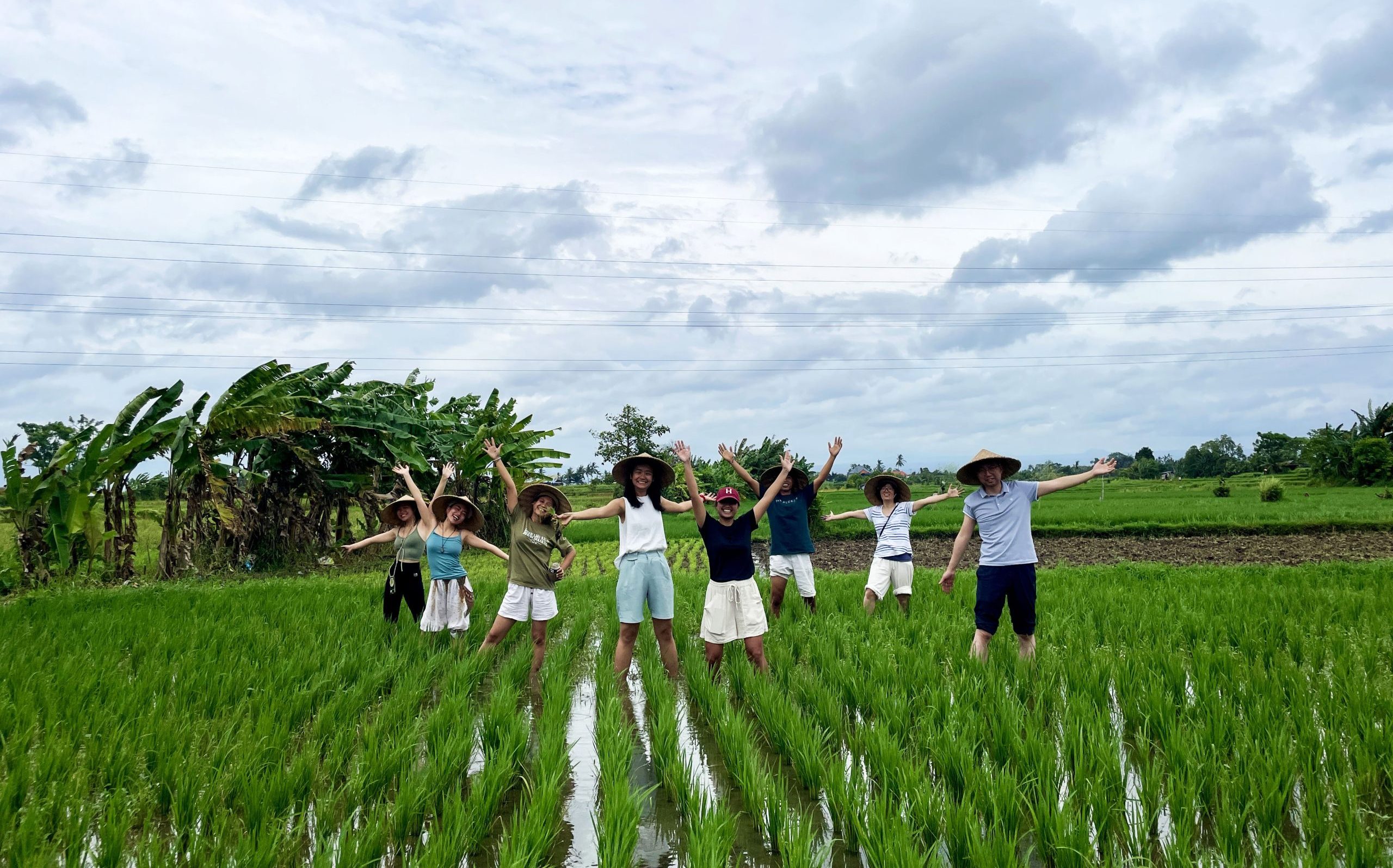
The program includes elements of self-observation (morning practice, rest/quiet time, and reflections), connection with peers (human library), exploration (Ubud walk), nature connection (rice fields and beach time), indigenous wisdom sharing, theory (regenerative snippets), and practice (design challenges).
What Will You Gain from Future+?
- Ecological wisdom & regenerative design: an understanding of the core principles of regenerative living, development and design and methods of listening to/ sensing patterns emerging from the land.
- Inner growth & transformation: Experience profound personal growth and inject new energy into your work and life.
- Innovative thinking & transformational perspective: Learn regenerative frameworks to enhance your ability to address complex systemic challenges.
- Inspirations from regenerative businesses: Experience firsthand the ups and downs of creating and evolving a regenerative business from our local partners in Bali.
- Global connections: Join the Future+ network (and extended networks) of budding regenerative practitioners and collaborate closely with peers worldwide.
- Hands-on project implementation opportunities: Practice applying regenerative principles in tangible design projects.
- Professional Certification Credit: Receive a Future+ training certificate
- Opportunity to join the Regenesis Institute’s The Regenerative Practitioners Series 5-month training programme with a discount.
Pricing and Rationale
Future+ is a non-profit initiative. Our goal is to create a comprehensive and inclusive experience, ensuring that everyone aspiring to advance the field of sustainable and regenerative design can participate. All revenues received will go towards covering the costs of running the current Programme, as well as the development of the Programme in order to enable more practitioners in Asia to experience inner transformations, and be empowered and supported to practice regenerative design.
You will NOT be denied if you cannot pay. If you have abundant resources, or sponsorship from your workplace however, contributing more than customary rates will enable us to serve more of those who need them.
Our programme price includes:
- Fees for guest sharers, facilitation, venue fees, field trips, course materials and local transportation for the 5-day, 4-night program
- Three meals a day
- Accommodation in a shared room (2 nights at Mana Earthly Paradise and 2 nights at a homestay/guesthouse)
The price DOES NOT include transportation to and from the programme location.
| Plan | Price |
| Full Price This rate is aimed at participants who can afford the full programme fees and those whose costs can be reimbursed by their workplaces. We also welcome sponsors from businesses, organisations and individuals who align with the values of our work and wish to support us financially. It encompasses the actual costs of the project, the educational value and experience provided, and the necessary resources to ensure the quality of the programme. |
USD 2,000 IDR ~31 million |
| Special Offer This discounted rate is aimed at emerging professionals, students, non-profit workers, or those from lower-income regions who struggle to pay the full price. |
USD 1,000 IDR ~15 million |
| Full or Partial Scholarship Scholarships are intended for participants with limited financial means who can offer support and volunteer services. All scholarship applicants, partial or full, are required to discuss how the scholarships could further their regenerative journeys and how they intend to apply their learnings. |
Full Scholarship USD 0 IDR ~0 Partial Scholarship Amount to be discussed during the interview |
A deposit of 70 USD is required for all applicants upon enrollment. This deposit will be fully refunded to applicants not selected after the selection process concludes.
Successful applicants will be invited to pay the remaining fees (ticket price plus USD400 deposit) within one week of receiving the notification emails. The deposit is intended to be a commitment to full participation and will be returned after the completion of the workshop.
By employing this pricing strategy, we aim to attract and encourage architects, planners, designers and practitioners from various backgrounds to participate in our programme, collectively advancing the field of regenerative design. We commit to providing a fair and transparent selection process, ensuring every interested and capable practitioner has the opportunity to join our learning journey.
Cancellation Policy
Full refund before 19th April 2025
50% Refund before 1st May 2025
No Refund after 1st May 2025
Key Dates
Online info session: 4th March 2025 at 7 PM (GMT+8)
- Zoom Recording Link Passcode: WeMP%4?j
Application Deadline: 29th March 2025
Interview Period: 16th March to 10th April
Shortlisted Participants Announcement: 25th Mar to 19th April
Rolling admission with a total of 20 spots available. The recruitment will close once full.
For further updates, please follow our social media
Facebook & Instagram: @futurepositiveasia
Email: futurepositiveasia@gmail.com
About Facilitators & Organizers

Songqiao Yao
Founder, WildBound
Songqiao Yao is the founder of WildBound, an innovative social enterprise that facilitates experiential education, climate actions, and artistic expression to cultivate sustainability leadership and systems change. Songqiao is also a mindfulness-based coach in training and supports personal and team developments for climate leaders and organizations. Since 2015, Songqiao has participated and led over 16 learning expeditions to the Antarctic Peninsula, the Arctic and the Himalayas.
Prior to founding WildBound, Songqiao was the first Chinese participant and faculty member for Homeward Bound, the largest all-female science and leadership expedition to Antarctica. She is a researcher, activist, and entrepreneur on environmental issues in China and globally. Over the past 10 years, she has led and advised youth climate organizations and projects, worked to conserve China’s rivers as a National Geographic Global Explorer, and consulted on agriculture development projects in Sierra Leone, Ethiopia and Zimbabwe.
In 2024, Songqiao became the first Chinese woman member of the Club of Rome. Songqiao received a Master of Philosophy in Geography from the University of Cambridge as a Gates Scholar and a Master of Business from the University of Oxford as the first Skoll Scholar from China. She graduated summa cum laude from Mount Holyoke College.

Yaki Wo
Asia Lead, Architecture 2030
Yaki’s diverse human experience ranges from being a mother of two to being a non-profit organisational consultant, facilitator and enabler of deep transformations through connection with and as nature.
As the Asia Lead of Architecture 2030, she set up the organisation’s operations in China in 2015 and facilitated the first buildings private sector commitment to zero carbon, announced at COP21 in Paris. Since 2022 Yaki has been sensing into the essence and potential of Architecture 2030’s Asia programme as one that regenerates and co-evolves with our living system.
Yaki is also a certified nature and forest therapy guide with the Association of Nature and Forest Therapy, and an ever-evolving regenerative practitioner. Her latest passion is the Future Positive (Future+) Leadership Programme, introducing regenerative living, development and design through deeply connecting with the self, others and nature, sensing the land, identifying essence and potential, and supporting the emergence of reciprocal relationships.
In an earlier life Yaki was a programme manager at The Children’s Investment Fund Foundation’s climate team and a campaigner at Amnesty International. Yaki completed her MSc Environment and Development at the London School of Economics, fully funded by the FCO’s Chevening Scholarship.
Tomohiro Hamakawa
Chief Exploration Officer, Earth Company
Tomo is a seasoned development professional having lived and worked in various corners of the world from the Tibetan plateau, Indian drylands, Indonesian tropics, to Japanese metropolises. He has extensive field experience working for international and local development NGOs across Asia and Africa, including Kopernik, the Children’s Investment Fund Foundation, and the World Bank. He was formerly an Assistant Professor at the Global Leadership Program at the University of Tokyo.
Tomo has a BA in Social Anthropology from Harvard College, a Masters in Public Policy from the Harvard Kennedy School, and was an Asia Pacific Leadership Program Fellow (2008) and Innovation Fellow (2020) at the East-West Center. In 2014 Tomo was awarded the Dalai Lama’s Unsung Heroes of Compassion Award.

Roberto Fraquelli
Professor, Schumacher Wild
Roberto co-led MA Ecological Design Thinking at Schumacher College. He designs interactive products, spaces and experiences that allow participants to tune into their innermost curiosity and creativity. Through a sideways approach and gently playful interrogation, Roberto helps participants uncover novel or forgotten pathways to a deeper and more empathetic understanding of self, other, and the world; both the one we live within and the one we long for.
He teaches regenerative design methodologies and facilitates workshops, seminars and program that focus on realising our ecological potential and tuning into our relationships with all living systems. His practice-based inquiry embraces hand-made attitudes that celebrate our whole being in harmony and balance. A master of play, Roberto can be relied upon to get groups moving, making and breaking new ground.
WildBound
WildBound is an innovative nature-inspired education and sustainability venture. We empower sustainability leadership through expeditions, education programs, research, advocacy, as well as creative communications to create a future where human live in harmony with nature.
Since 2017, WildBound has led expeditions to Antarctica, Greenland, Bhutan and other ecosystems, worked with businesses and academia to launch sustainability guidelines and organized public exhibitions and initiatives.
Architecture 2030
Architecture 2030’s mission is to rapidly transform the built environment from the major emitter of CO2 emissions to a central solution to the climate emergency.
For nearly two decades, Architecture 2030 has provided the leadership and designed the high-impact actions needed to achieve the necessary CO2 emissions reductions, now defined as a high probability of limiting planetary warming to 1.5°C. Our action plan has two primary objectives:
- Achieve a dramatic reduction in the energy consumption and CO2 emissions of the built environment by 2030, and a complete phase-out of CO2 emissions by 2040; and,
- Advance the development of sustainable, resilient, equitable, and zero-carbon buildings and communities.
In Asia, Architecture 2030 initiated the China Accord in 2015, a commitment by 62 key Chinese and international architecture and planning firms to plan and design cities, towns, developments, and buildings in China to low carbon/carbon neutral standards. Since then, Architecture 2030 has continued to deepen its work in China and neighbouring regions (South Korea and India) by hosting online and offline knowledge exchange forums, seminars and workshops, zero carbon design training, developing a zero carbon building code, and published numerous articles, guidelines and white papers.
During the pandemic, the Architecture 2030 team in Asia engaged in a deep reflection on the changing landscape and needs of the world and our time. This led to a broadening, more holistic, inter-sectional focus and alignment with regenerative development and design. Future+ was born as a result.
Earth Company
Established in 2014, Earth Company is an impact-driven organization dedicated to creating a regenerative world that enhances planetary well-being. Based in Japan and Indonesia, Earth Company holistically empowers paradigm-shifting changemakers in the Asia Pacific, delivers transformative training programs to professionals and students, and manages a next-generation hotel in Ubud, Bali called Mana Earthly Paradise.
Mana Earthly Paradise
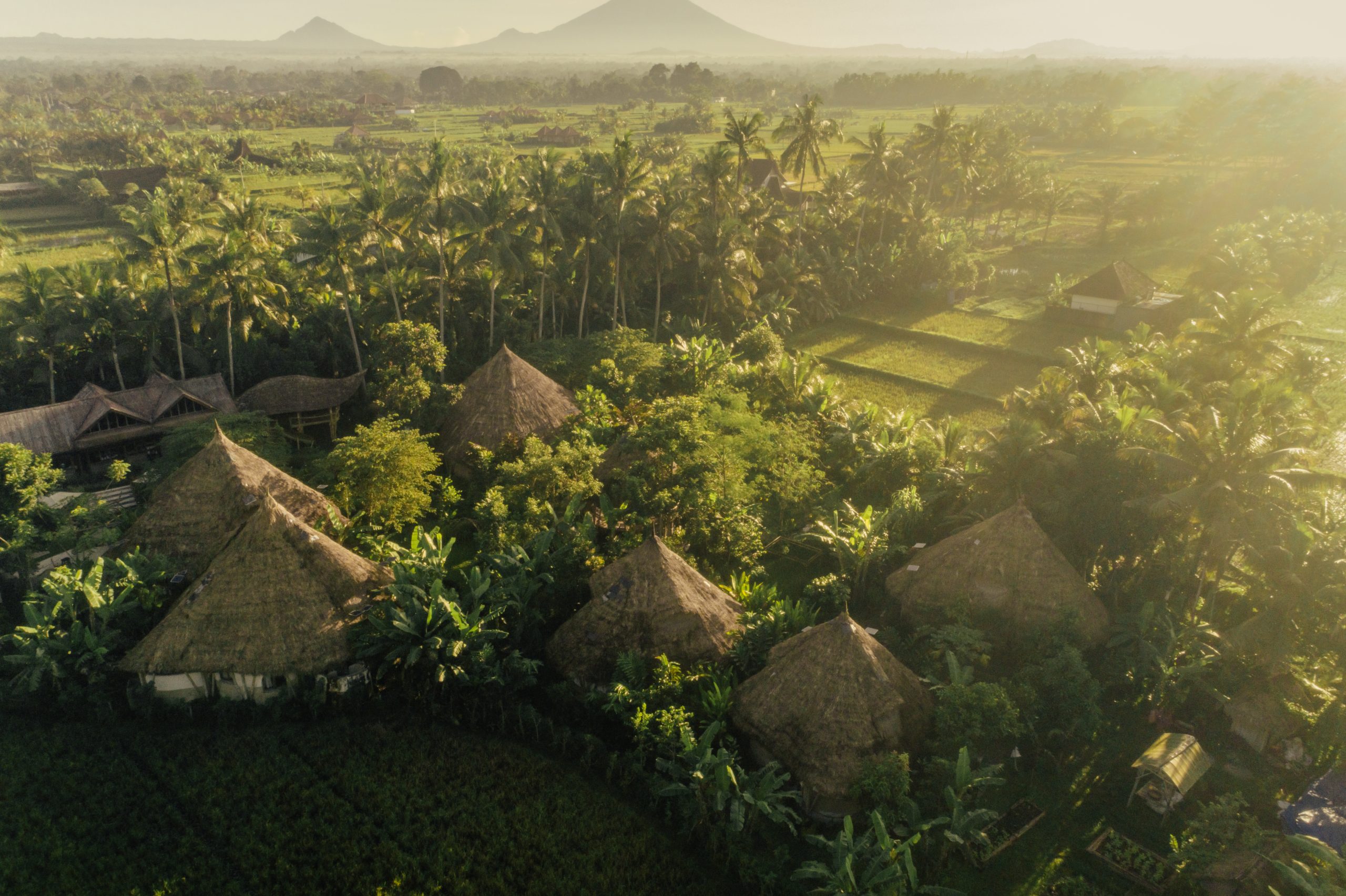
Nestled in the peaceful outskirts of Ubud, Mana Earthly Paradise (Mana) is a regenerative and progressive business established in 2019. Mana strives to be ecologically and socially minded in every way possible through its earthbag villas, probiotic restaurant, and conscious store.
Mana is a B Corp certified hotel, the first in Indonesia and Southeast Asia! Through sustainable practices and innovative eco-technologies, Mana aims to be part of the solution, not the problem.
Schumacher Wild
Schumacher Wild is a bold new experiment in transdisciplinary education and research; delivering transformative learning experiences, whilst also exploring how holistic education can respond most effectively to what the world needs in this crucial moment in time.
https://www.schumacherwild.org
Sponsor

Payment Links
Chinese participants can use the QR code below for payment in RMB.

Participants from other nations go to eventbrite for payment in USD.


