Over the past year, Future+’s regenerative journey has unfolded across three destinations.
Our first stop was Chengdu, China, where we stood alongside regenerative architects, ecologists, and community practitioners, exploring the local possibilities of regenerative design. Next, we traveled to Kuching, Malaysia, immersing ourselves in its multicultural soil, learning to root design practices in local communities and everyday wisdom. This time, we gathered in Bali—an island where humans, nature, spirits, and land exist in symbiosis—to continue tracing Asia’s regenerative pulse beneath the tropical breeze.
Each gathering has been like weaving a web. At first, we wove threads of ideas, seeking to understand regeneration in an Asian context. Then, our fingers touched the pulse of the land, tracing the roots of design in soil and community. Now, as we reunite in Bali’s humid air, the web begins to grow on its own—no longer just a product of our connections, but a living, breathing organism expanding between us and the world.
Relationships are no longer just a path to regeneration—they are its very source and vessel. From regenerative design frameworks to Gotong-Royong (community labor) and the Tri Hita Karana philosophy of harmony, we’ve stopped asking, “Are we doing enough?” and instead begun to feel: “Are we truly together?” and “Who are we, really?”
We no longer enter a community—we remember we’ve always belonged.
Humans are not nature’s rulers but a sensitive nerve within its cycles. Bali, with its millennia-old rhythms, reminds us: regeneration isn’t about doing—it’s about being. In coexistence with the divine, each other, and nature, relationships become breath, offering, and homecoming—a return to life’s wholeness.
So this time, we let relationships guide our story. Because what truly transforms us isn’t what we did, but what happened between us. Like mycelium spreading underground or tides moving in quiet rhythm, this web grows silently within us—and across the body of the Earth.
As one partner wrote before leaving: “What unfolded among us wasn’t designed—it was like spores in a forest, carried by the wind to new ground.” And this time, the wind was Bali’s: salty, sweet with fermenting rice, and humming with rain on rooftops.
Regenerative Design: Shifting to Living Systems Thinking
Work with Whole Systems: Regenerative design starts from the perspective of the entire system, emphasizing the interrelationships between parts rather than focusing solely on individual functions. By understanding the interconnectedness of the whole, we enable each element to play its part, achieving more efficient systemic synergy.
Work from the Uniqueness of Place: Every place holds a unique essence and intrinsic character. Regenerative design respects and leverages this local, unique wisdom, ensuring that designs are deeply rooted in the local culture and nature, truly meeting ecological and human needs.
Start with Potential: Regenerative design is not limited to responding to existing conditions; it focuses on the inherent potential within the whole system. This principle encourages us to discover developmental possibilities within ecosystems and communities, thereby unleashing untapped vitality.
Wholes are Nested: Every part of a system is nested within larger systems. Individuals, communities, and the environment are interconnected and interact, enabling regenerative design to facilitate the flow and exchange of value across all levels, contributing to the resilience and regenerative capacity of the whole.
Develop Capability: Regenerative design goes beyond building ecological environments; it also fosters the co-development of community members—including both human and non-human members—enhancing their adaptability and evolutionary capacity. This enables the entire system to navigate future changes and challenges.
Build a Collaborative Field: In regenerative design, it is crucial to build a mutually supportive energetic field where relationships between different individuals are harmonized, not compromised. Within this field, relationships of mutual benefit and reciprocity can unleash powerful collective intelligence, empowering the system.
Find Nodal Interventions: Identify key intervention points within complex ecosystems. By applying appropriate leverage at these points, positive impacts can be amplified. This allows for systemic transformation with limited resources, making the whole more sustainable.
#1
Bali: Regeneration Emerging from Shared Rhythms
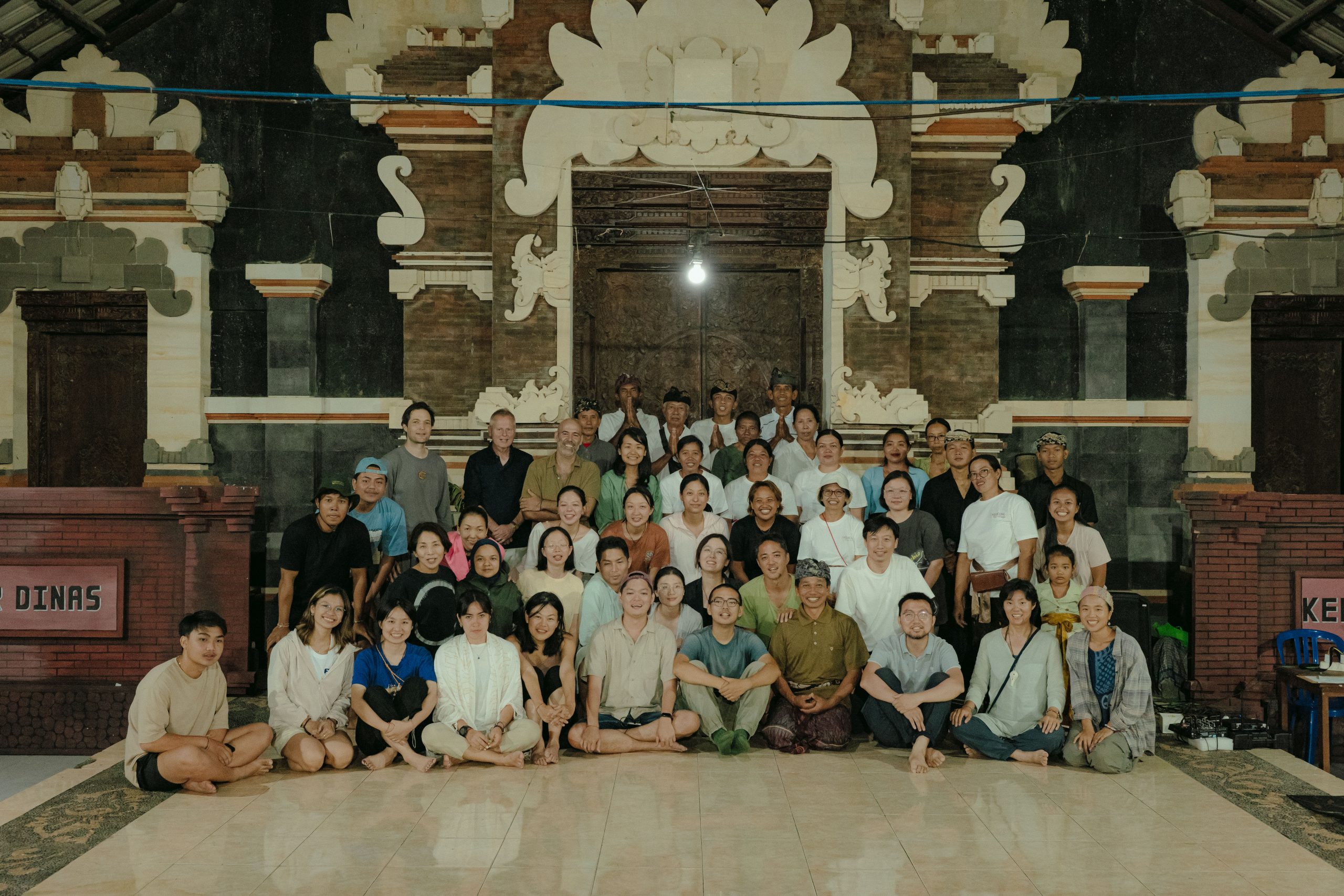
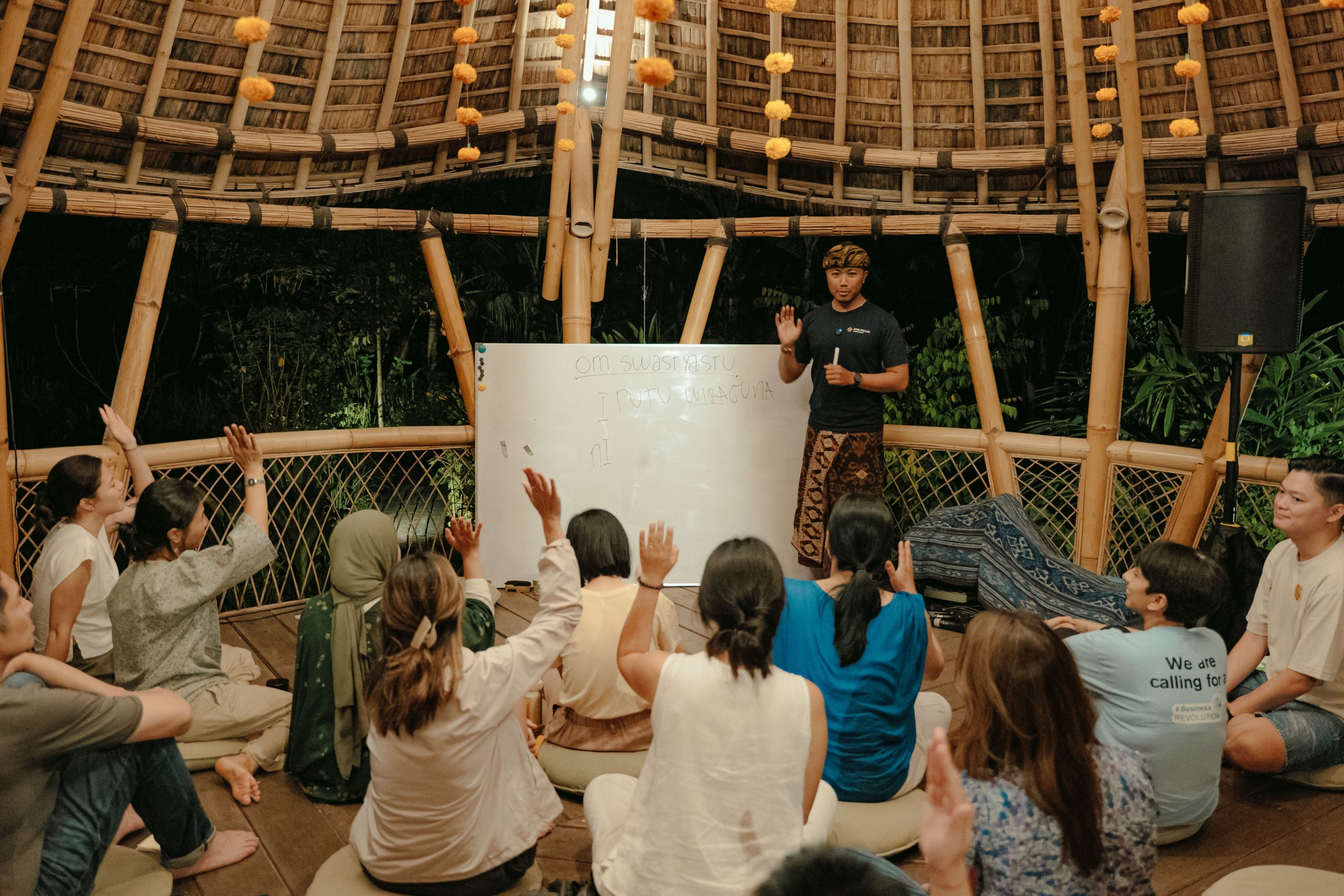
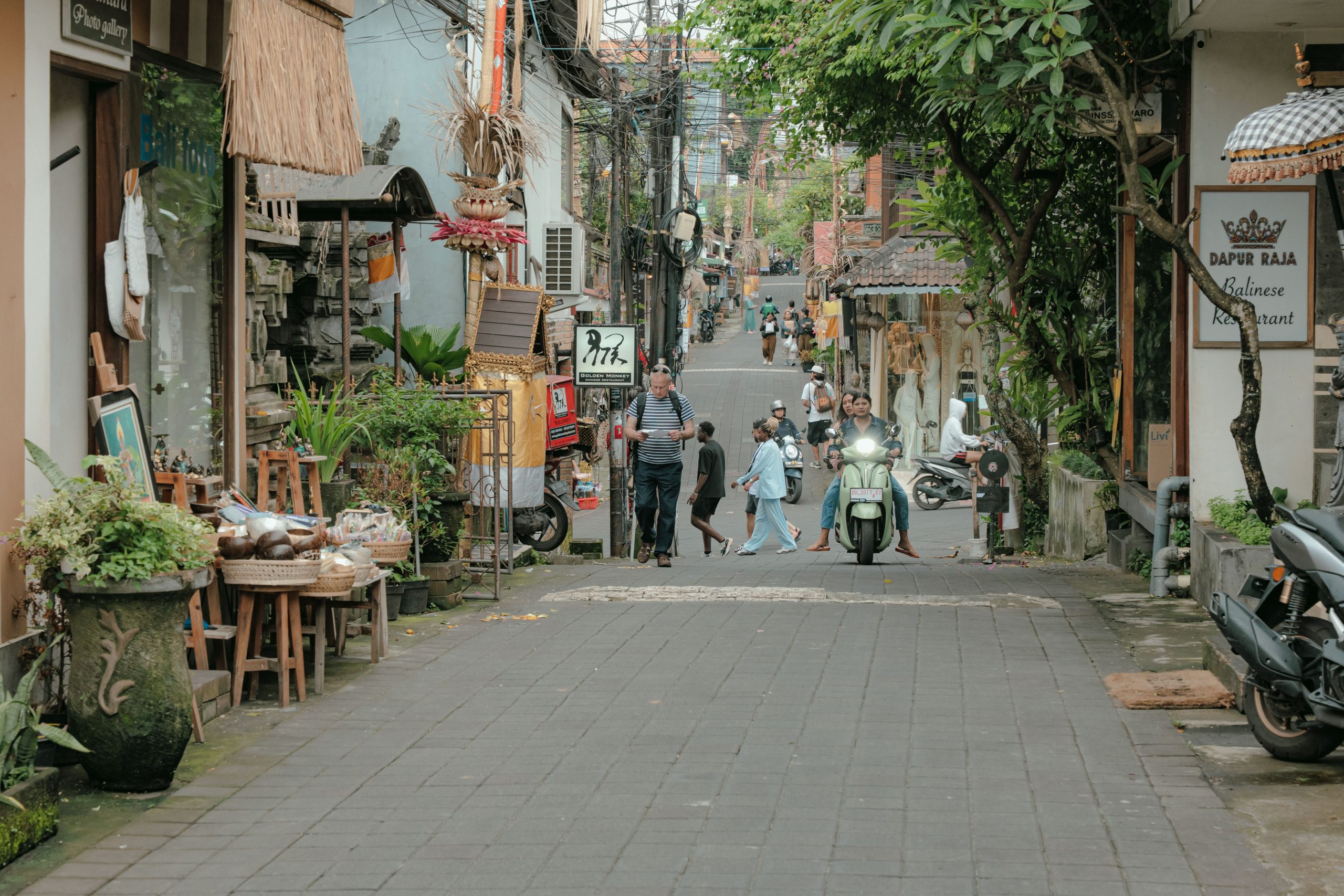
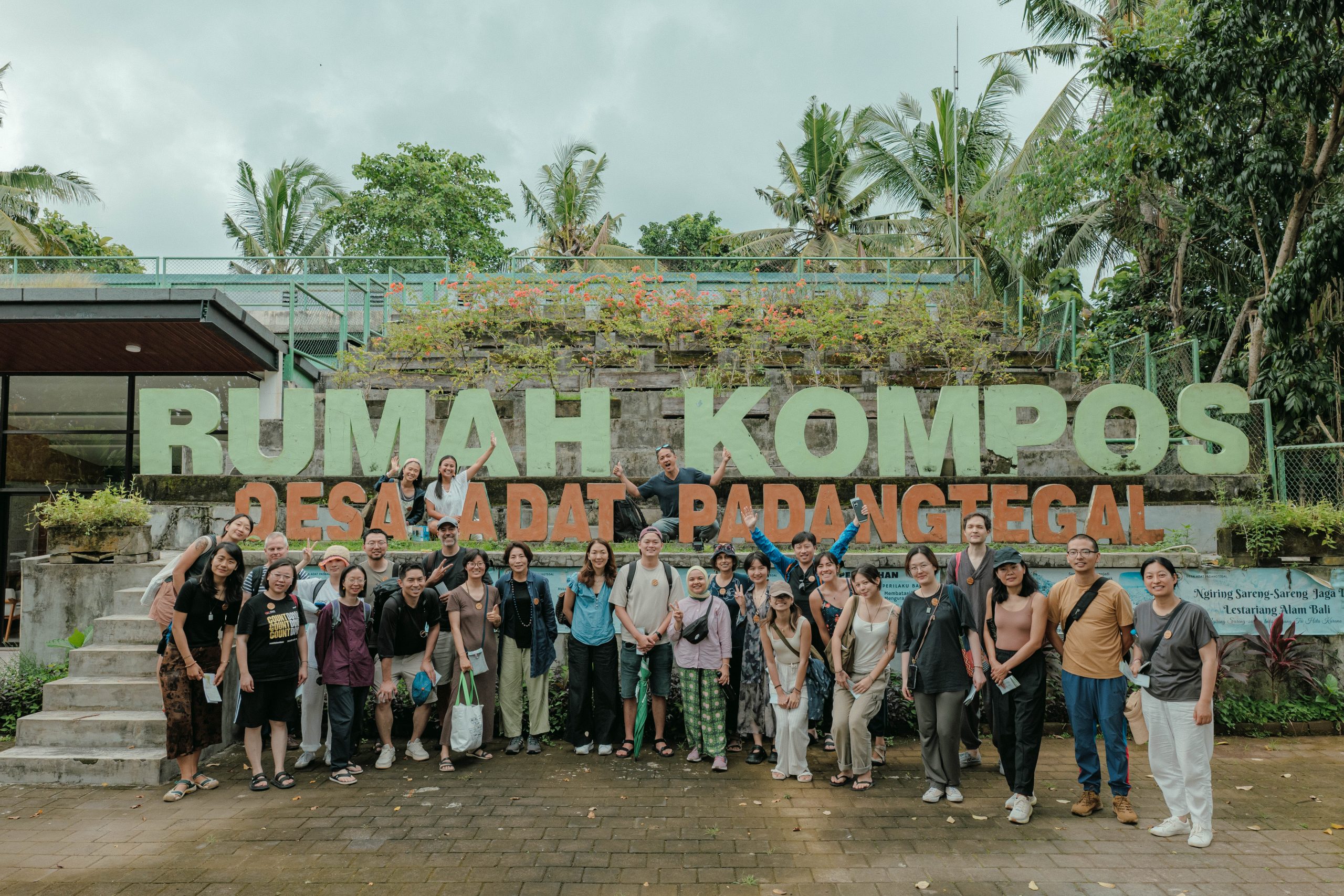
Wrapped in humid air, rice-field mist, and the scent of offerings, Future+ Bali brought together 20 practitioners from 11 countries and regions—Malaysia, the Philippines, Japan, Colombia, India, Italy, Thailand, mainland China, and Hong Kong—to explore regenerative design through the island’s spiritual and cultural fabric.
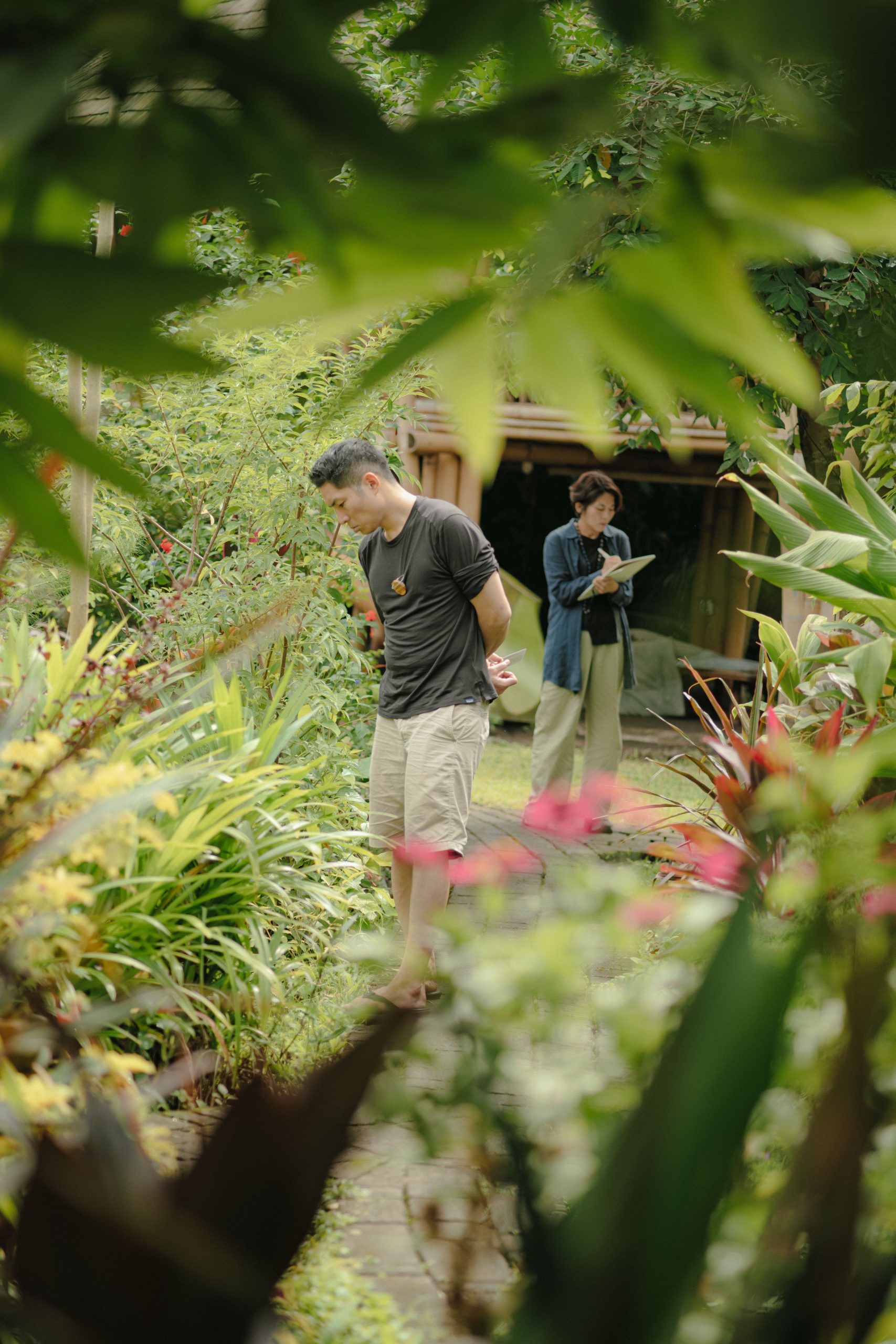
Here, every step reunited us with ancient rhythms. We walked barefoot through terraces, rested in coconut groves, and listened to streams.
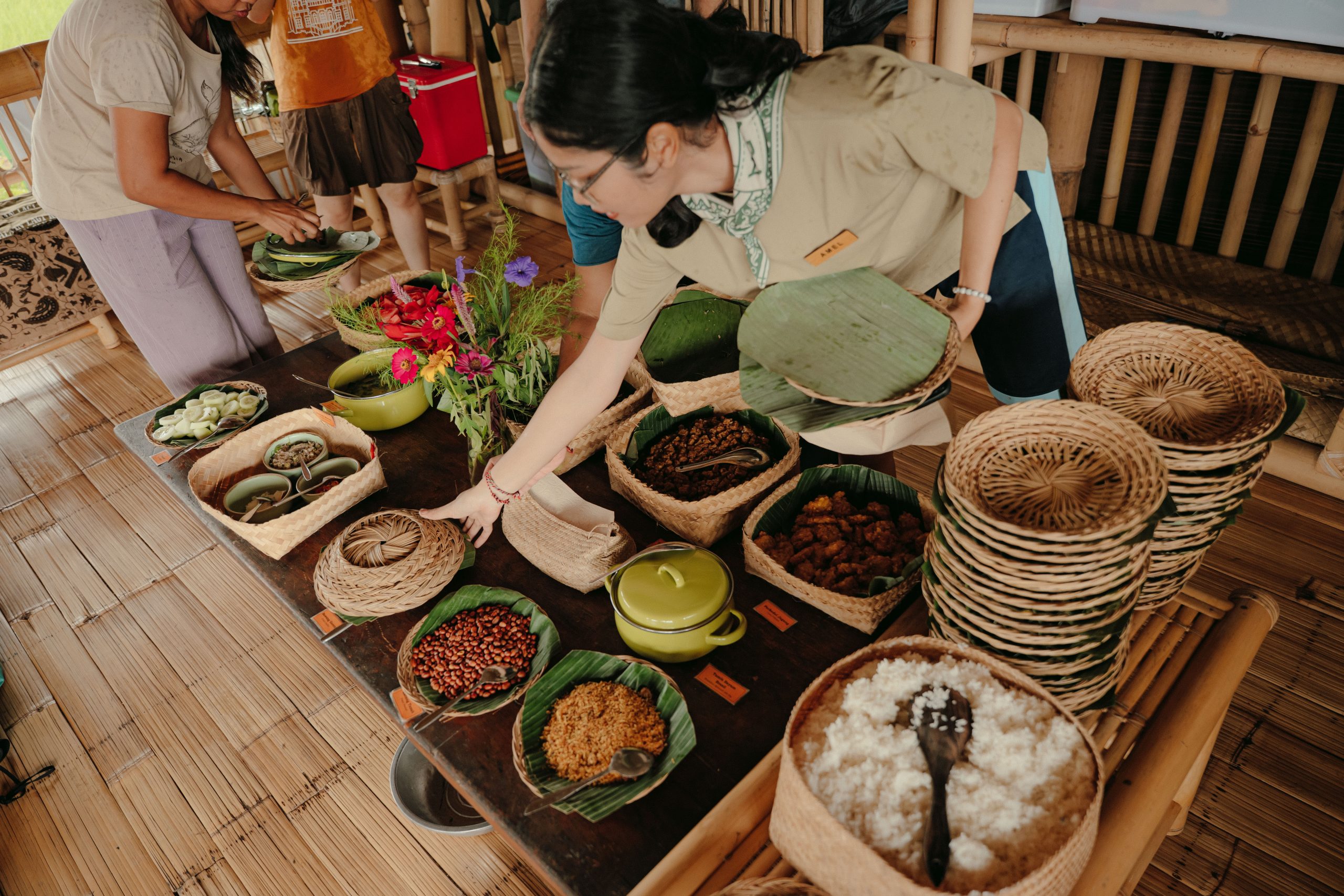
In Kelecung Village, we worked, ate on banana leaves, and sat in circles with locals. Food returned to the earth; bodies returned to the collective; time returned to the seasons.
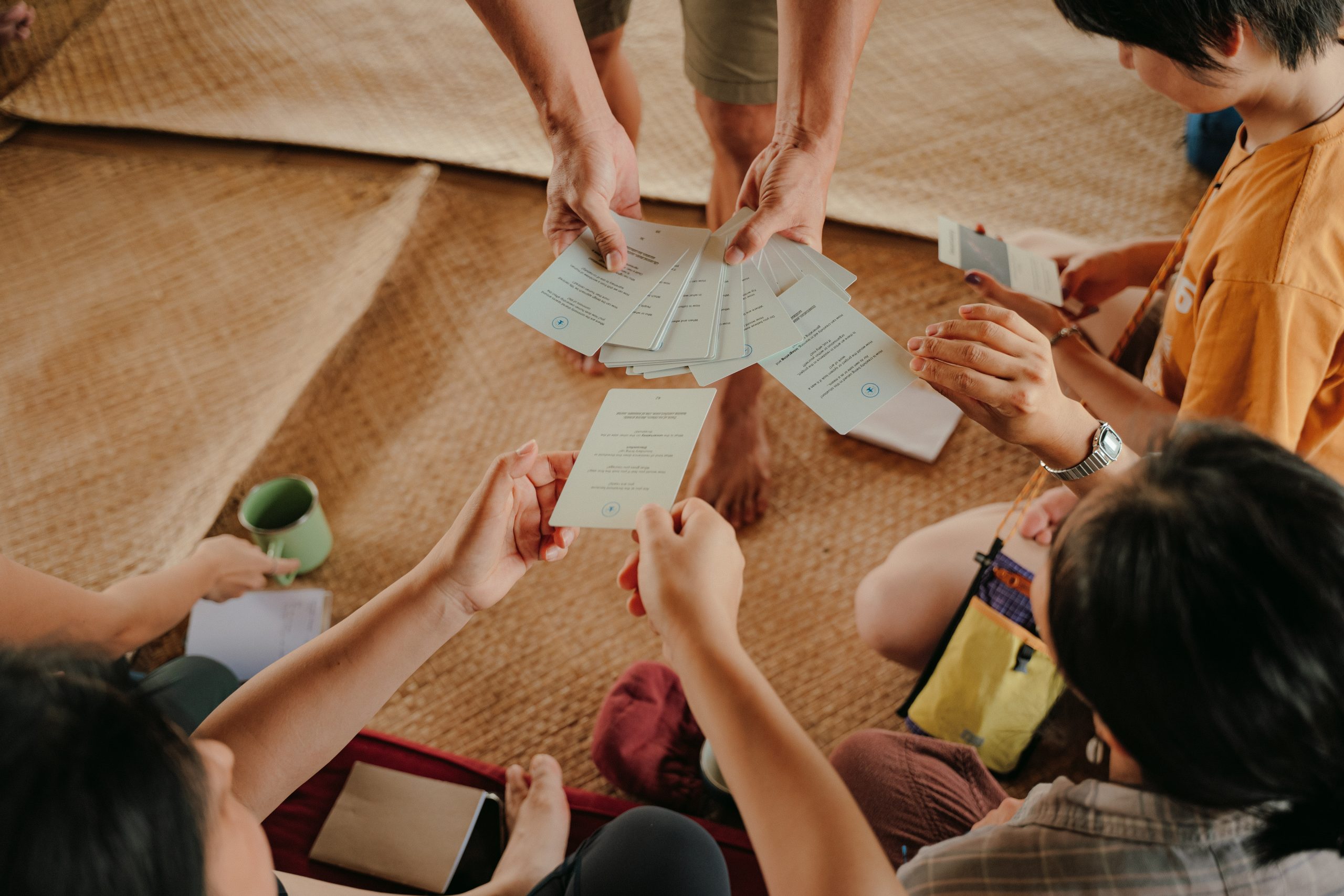
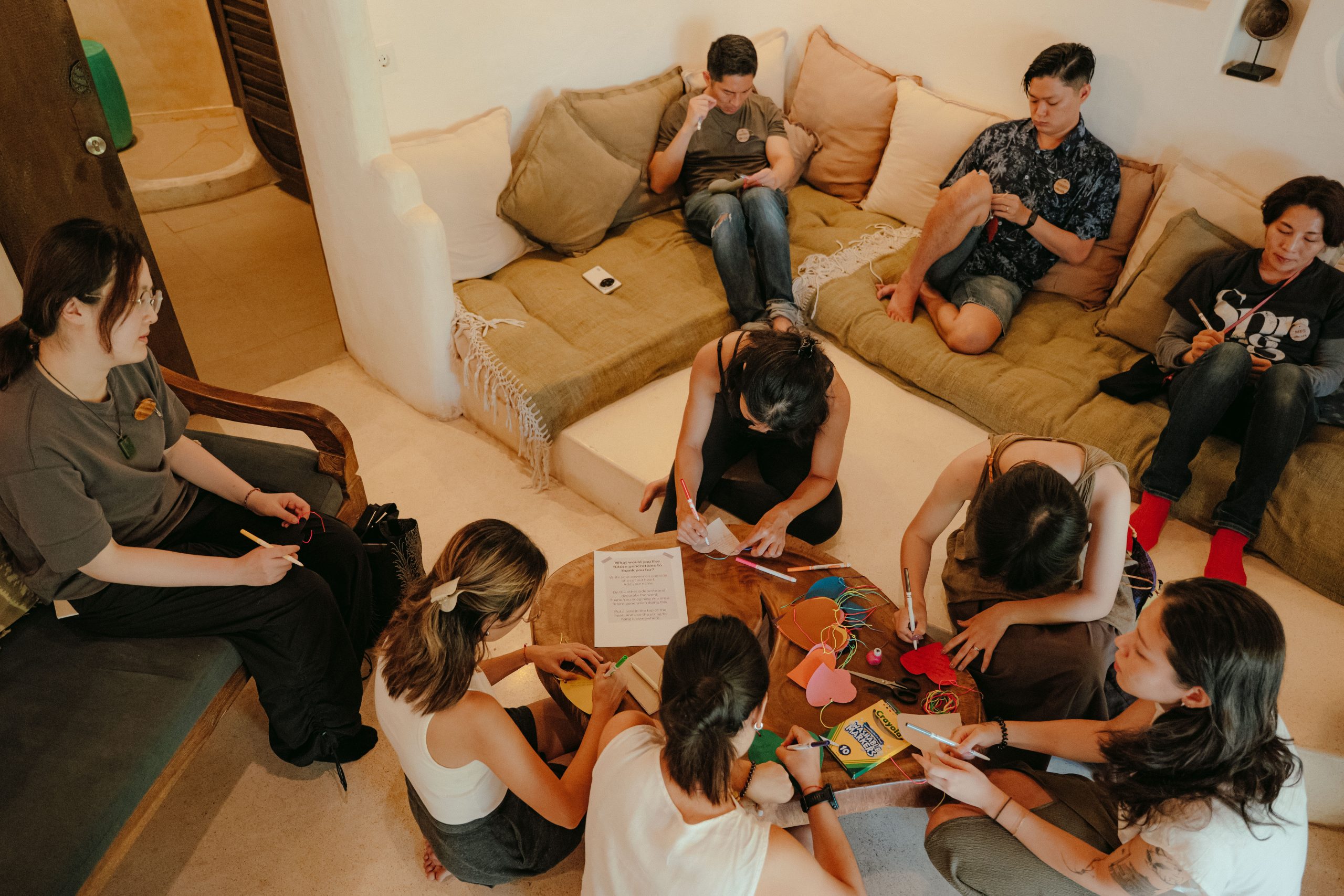
Through design challenges, shared stories, and fieldwork, we weren’t fixing broken systems—we were reclaiming our role as connectors, weaving ourselves back into life’s larger web.
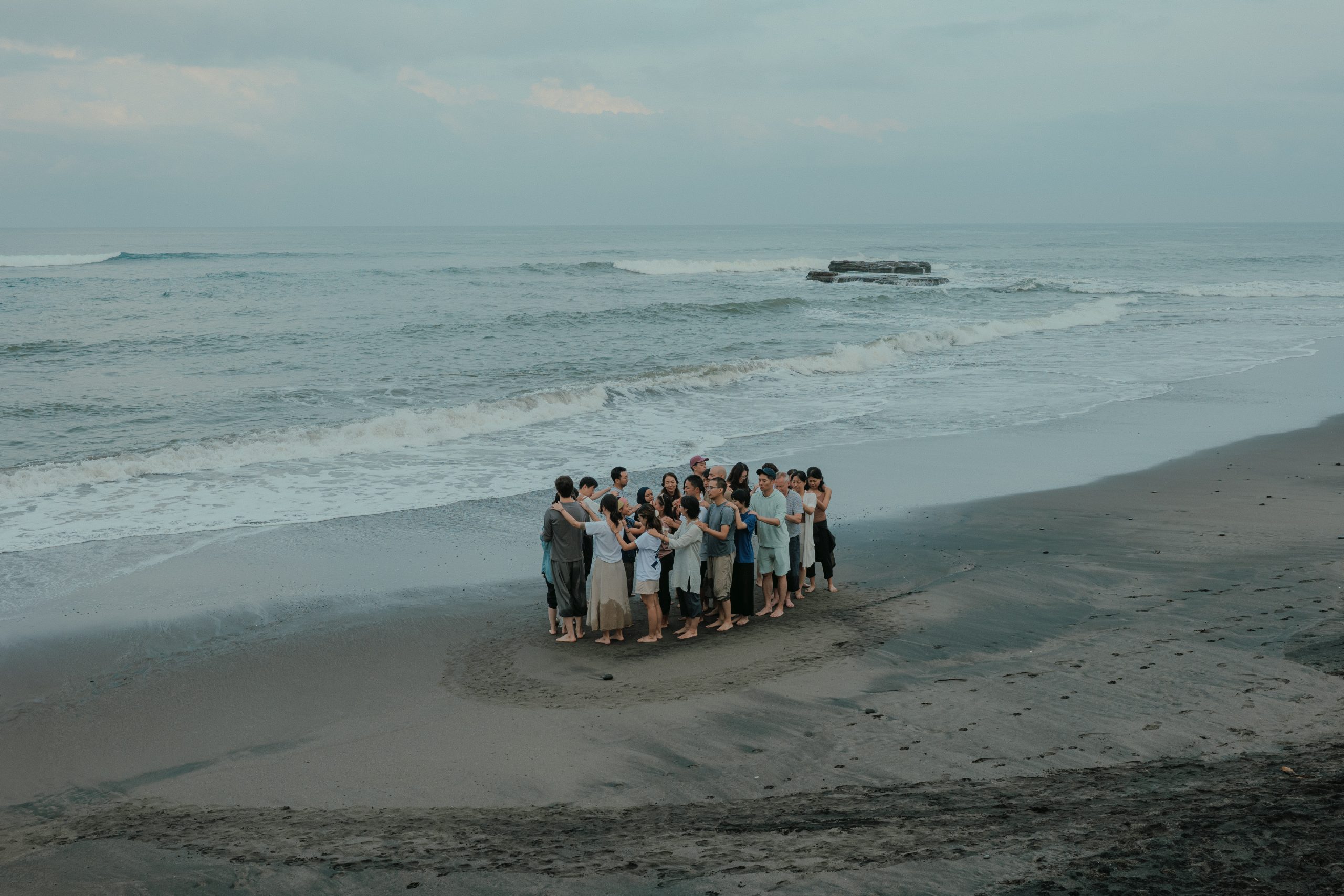
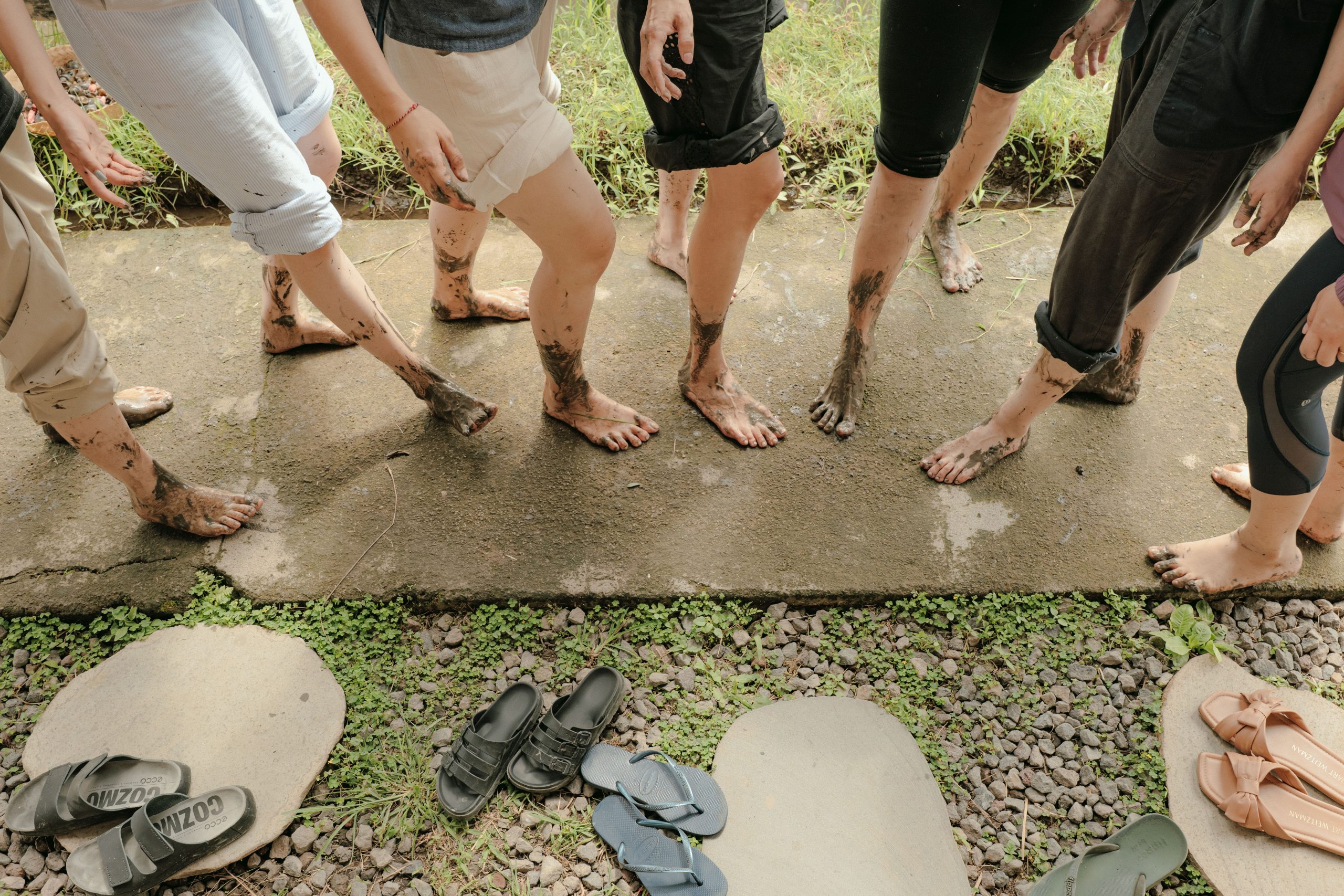
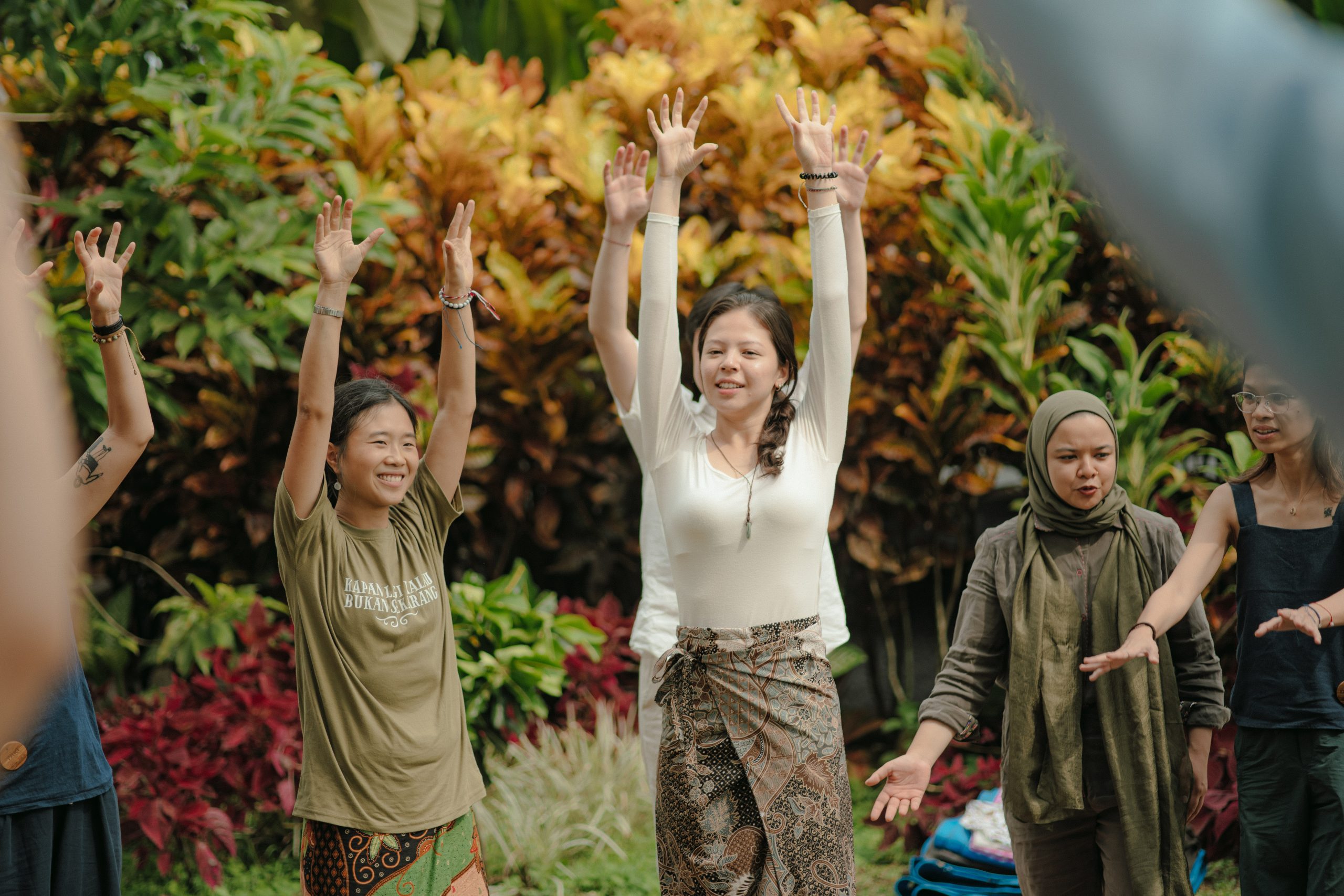
As feet sank into wet soil, thoughts dissolved into the body’s language. We reached into the earth like roots, breathed like tides, and opened like flowers.
And relationships? They hung like humid air—weightless, yet nurturing everything.
Tri Hita Karana: The Triple Harmony of Regeneration
“Life’s harmony lies in offerings, togetherness, and tending the land.”
In Bali, Tri Hita Karana—the balance of spirit, community, and nature—is both philosophy and daily practice. During our gathering, these harmonies became lived experience:
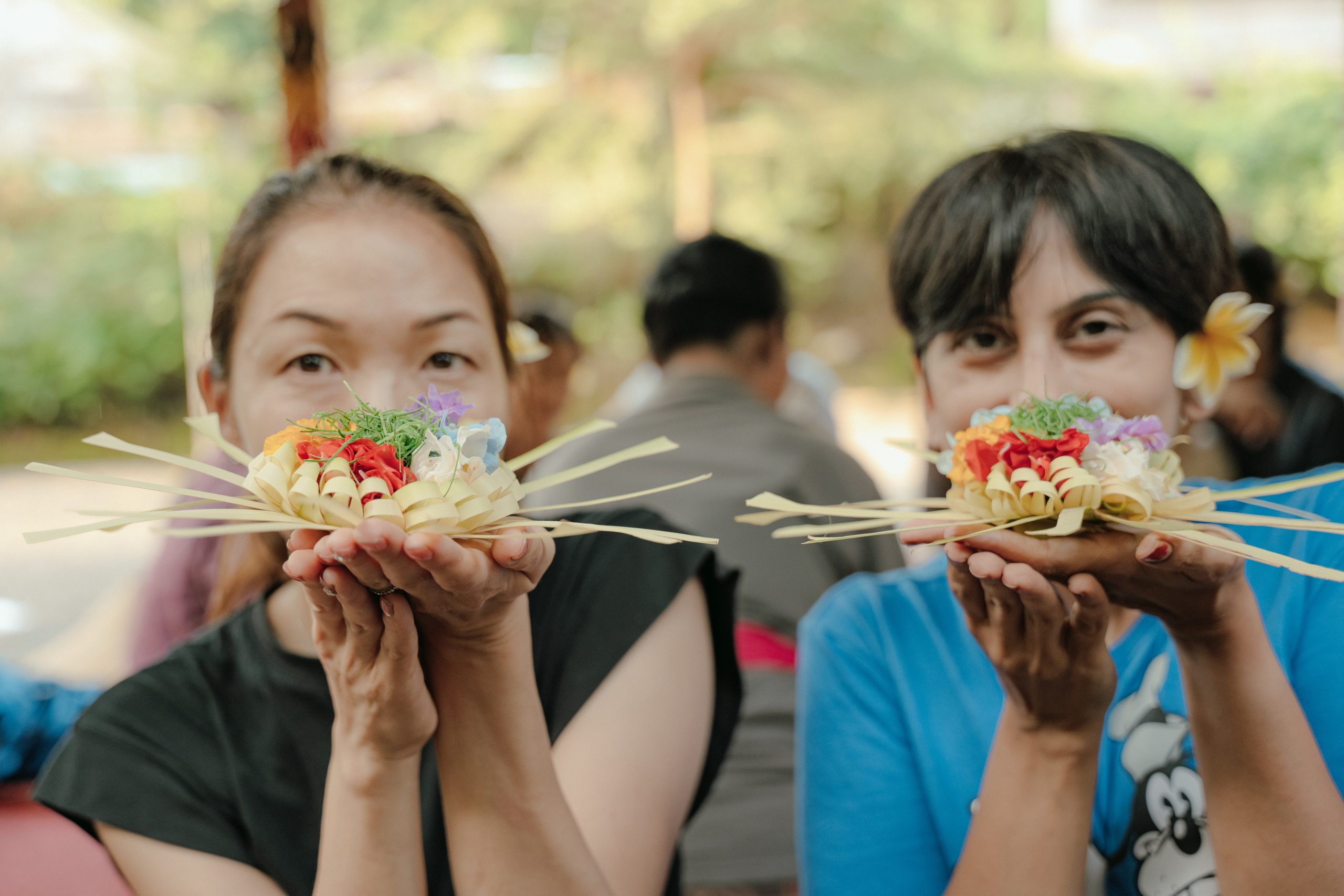
Parahyangan: Reverence for the sacred, felt in flower offerings and temple silence.
Pawongan: Bonds with community, shared over meals and labor in Tabanan Village.
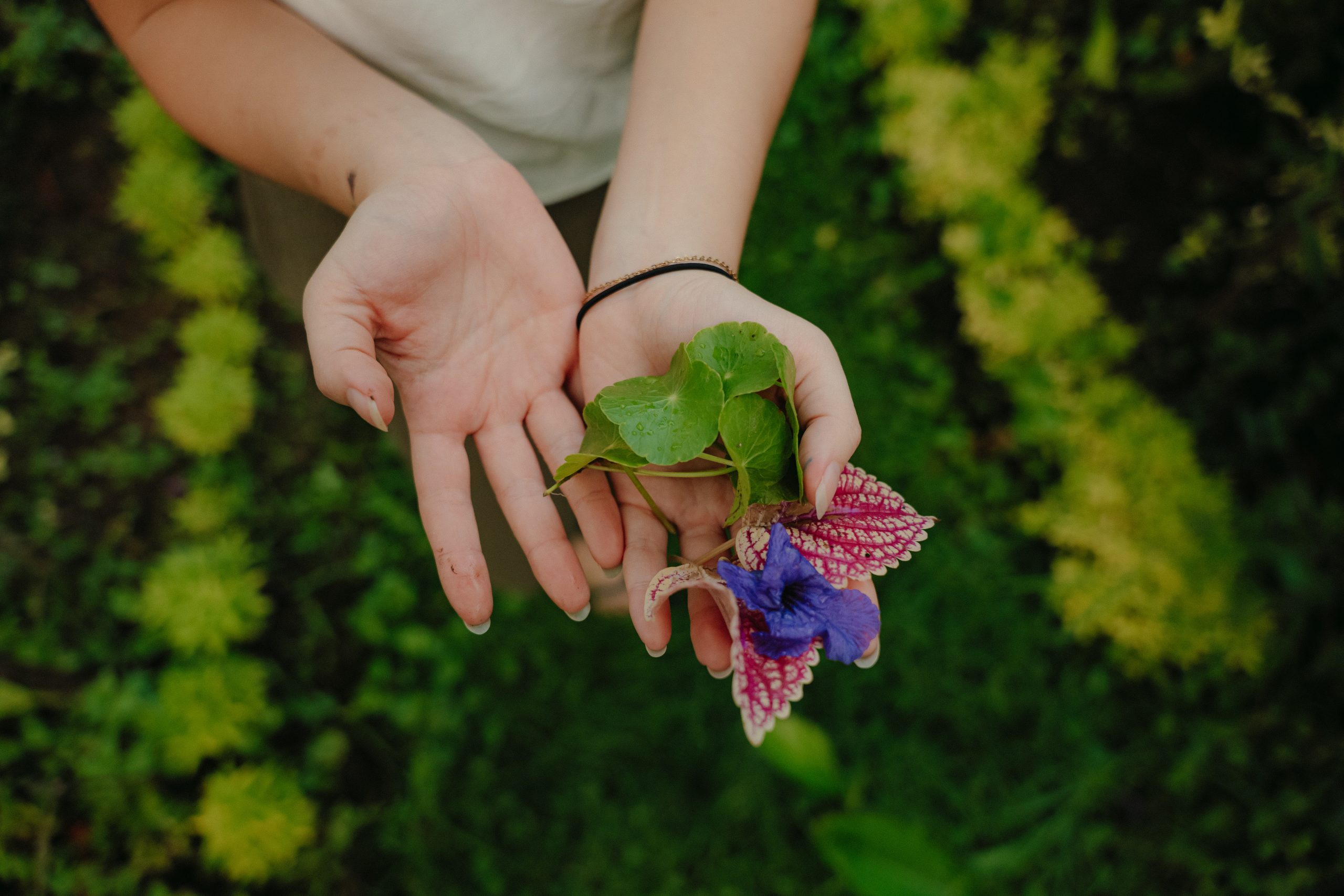
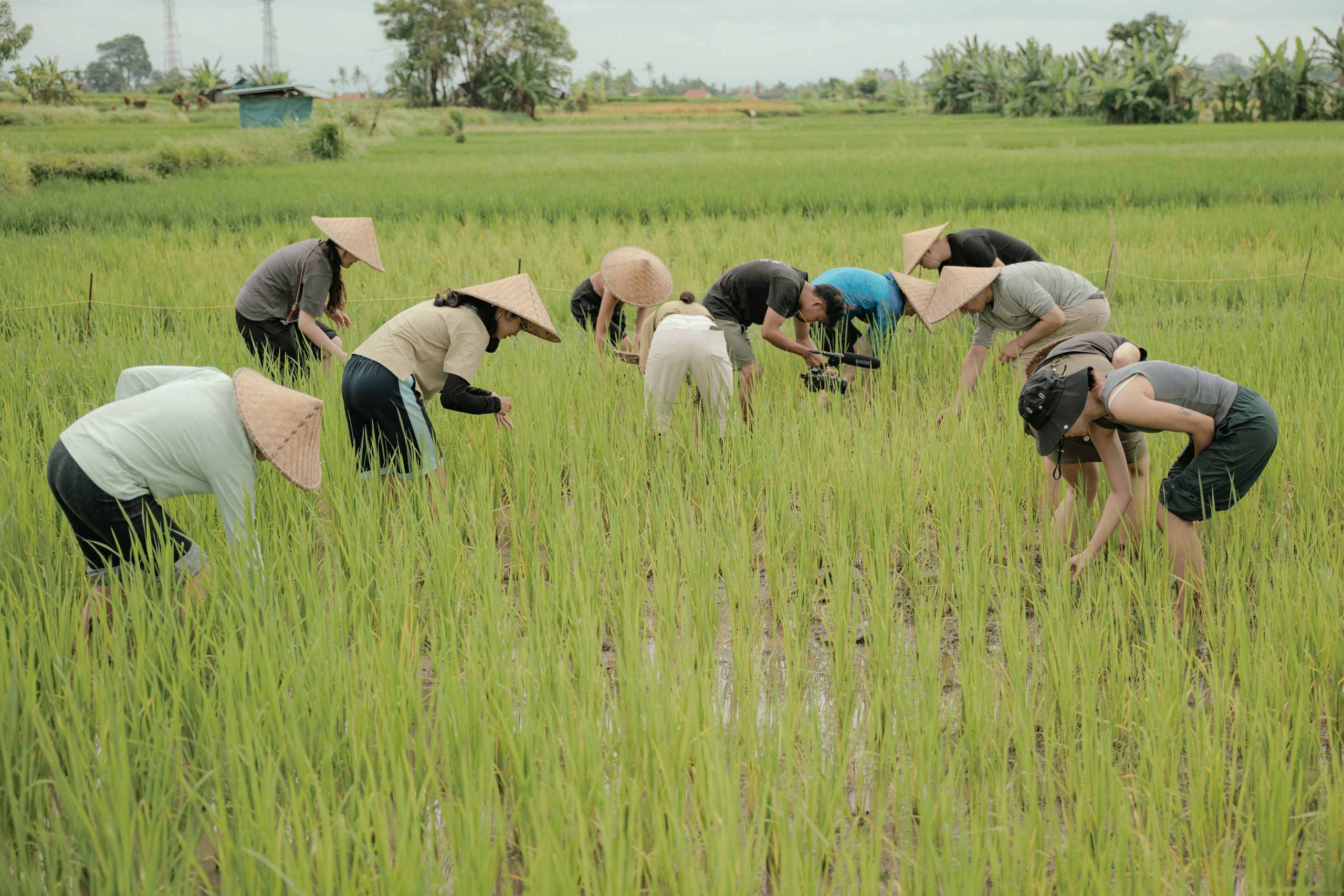
Palemahan: Kinship with nature, learned by planting rice and touching soil.
Like intertwined vines, these three relationships braided our days into a tapestry of humility and insight. Here, we didn’t just study design—we learned to tend connections.
Between Places: Relationships Rooted in Land
From Ubud’s Mana Earthly Paradise (a sustainable retreat) to Tabanan’s village homestays, each space shaped our rhythm.
In Ubud, we meditated, hiked, and awakened our senses. In Tabanan, we slowed down—sleeping in local homes, joining ceremonies, and letting trust grow like rice-field canals: soft, yet sustaining life.
Offerings: Relationships Need Nurturing
Bali’s daily rituals remind us: relationships, like land, require care. Beyond the gathering, the Future+ network thrives through monthly online meetups and cross-regional projects. Many left Bali not just with design tools, but with being seen—proof that every gathering is an offering.
Tides: Relationships Move at Their Own Pace
In Kelecung, Aniek shared: “If the youth need time, I’ll wait with them.” Like tides, relationships ebb and flow. Some conversations blossom later; some seeds need silence. Allowing space is regenerative wisdom.
An Unfinished Web
The gathering ended, but the weaving continues—through Zoom calls, future meetups, and projects like a member’s Tibetan grassland exchange or a regenerative design feature. This web grows in tides, quietly, lighting the way.
#2
Fragments of Emergence
A hesitant hug, then sparks in each other’s eyes.
A walk at dusk with no destination.
A wooden name tag, lost and found at the last moment.
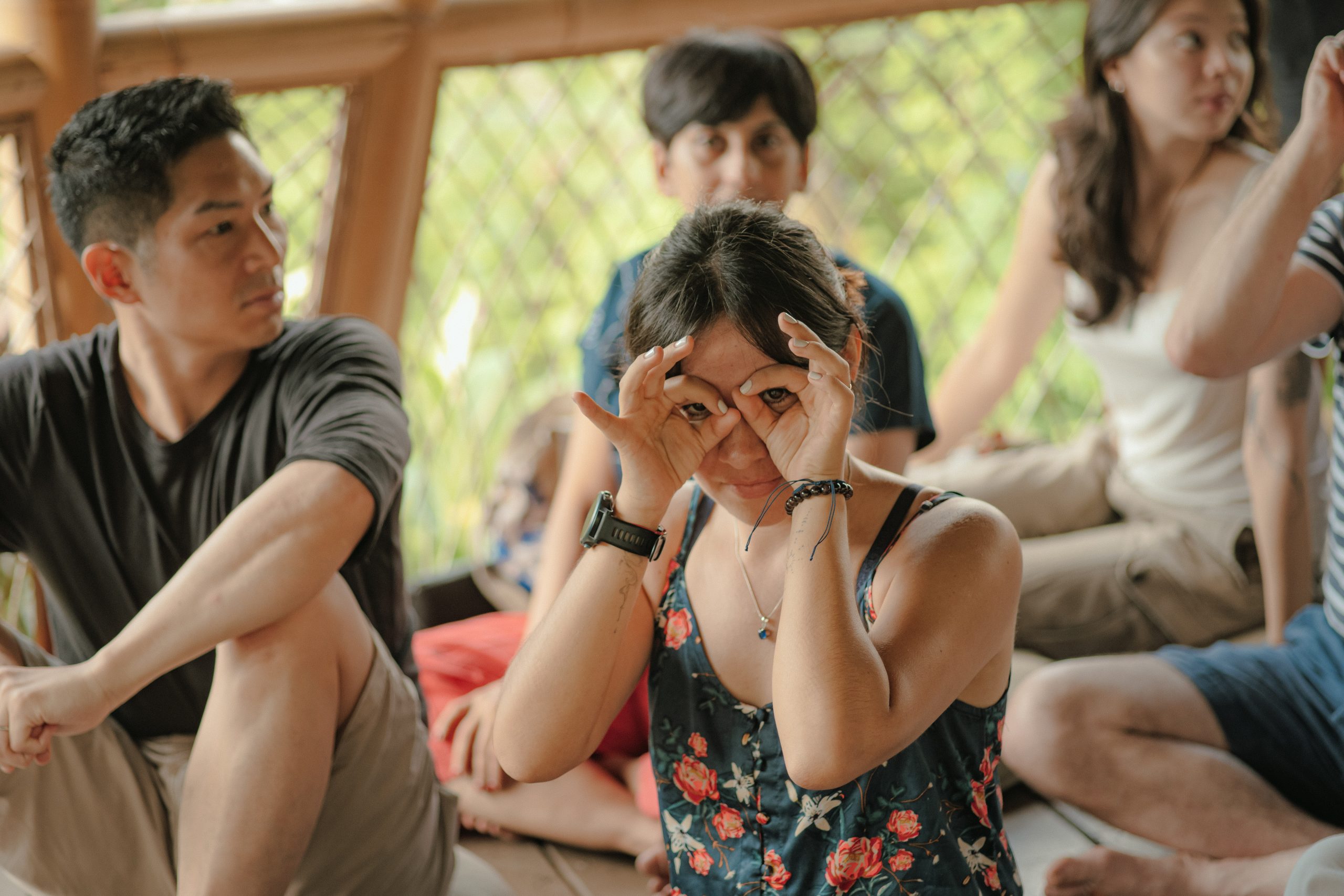
Some had never felt such a real, global regenerative community; others came for methods but learned how to be. One said: “It’s like a forest growing—each of us a unique species, breathing together.”
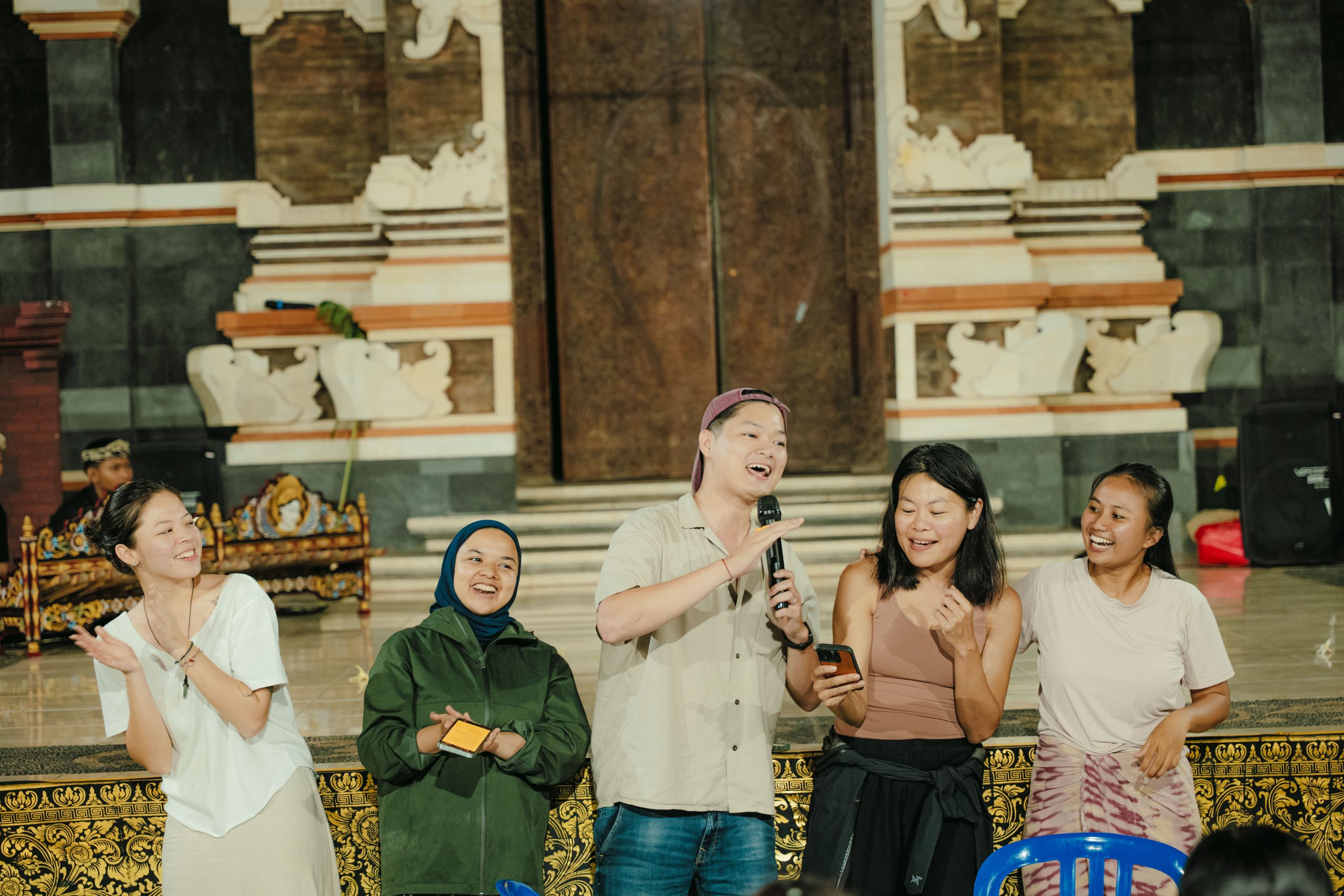
By the terraces, someone wept while deep-listening: “The land answered me.” Another shared: “The group work scared me—until we danced and forgot time.”
Bali wasn’t a destination but a mirror, reflecting our forgotten ability to sync with land and each other.
On the Way Home
As the plane pierced the clouds, each carried a seed—in palms or dreams. It waits, patient, for the right soil to call it.
In a world obsessed with speed, we need more beings who listen to wind, speak with rivers, and let themselves be changed. As one partner wrote: *“I came to learn how to bring regeneration to my company. Now I ask: Can I live, love, walk, and decide regeneratively?”
This is Future+’s path: not a straight line or a map, but a living rhythm—a mycelial network flowering in unexpected places.